

 English
 русский
 عربى
Industry News
Industry News
Industry News
Industry News
Industry News
Industry News
Industry News
Industry News
Industry News
Content
- 1 How Do Oil Seals Work
- 2 Main Components of an Oil Seal
- 3 Common Types of Oil Seals
- 4 Common Applications of Oil Seals in Different Industries
- 5 Oil Seal Applications and Selection Requirements
- 6 Common Oil Seal Materials and Their Properties
- 7 Important Factors When Selecting Oil Seals
- 8 Common Oil Seal Problems and Their Causes
- 9 Oil Seal Installation and Maintenance Guidelines
- 10 Oil Seals vs O-Rings and Mechanical Seals
- 11 Why Oil Seal Quality Matters for Equipment Performance
- 12 How to Choose the Right Oil Seal Supplier
- 13 Frequently Asked Questions About Oil Seals
- 13.1 What is the main purpose of an oil seal
- 13.2 Where are oil seals commonly used
- 13.3 What is the difference between an oil seal and a shaft seal
- 13.4 What are the most common oil seal materials
- 13.5 How do I identify the correct oil seal size
- 13.6 Can oil seals prevent dust and water from entering
- 13.7 Why does an oil seal leak after installation
- 13.8 How long can an oil seal last
- 13.9 Can an oil seal be reused after removal
- 13.10 Do all oil seals have a garter spring
- 13.11 Can standard oil seals be used in high-pressure hydraulic systems
- 13.12 What information should I provide when ordering oil seals
Oil seals are mechanical sealing components designed to prevent lubricating oil, grease, and other fluids from leaking out of mechanical assemblies while keeping dust, dirt, moisture, and other contaminants from entering. They are commonly installed around rotating shafts in equipment such as electric motors, gearboxes, pumps, compressors, automotive transmissions, and industrial machinery.
Unlike simple static sealing rings, conventional rotary oil seals use a flexible sealing lip that maintains contact with a moving shaft. This contact creates a barrier against fluid leakage while allowing the shaft to rotate. Many designs also include a metal case for structural support and a spring that helps maintain consistent radial contact between the sealing lip and shaft.
Oil seals play an important role in maintaining lubrication, protecting bearings, reducing equipment contamination, and supporting stable mechanical operation. Without an appropriate sealing solution, lubricating oil may escape from the housing, while external particles can enter and accelerate the wear of internal components.
In practical applications, the right oil seal must match the shaft diameter, housing dimensions, rotational speed, operating temperature, pressure conditions, lubricant type, and installation environment. Choosing the correct oil seal is essential for reducing leakage, extending equipment service life, and minimizing maintenance requirements.
How Do Oil Seals Work
An oil seal works by maintaining controlled contact between a flexible sealing lip and the surface of a rotating shaft. This contact creates a sealing interface that helps retain lubricant inside the equipment housing and prevents external contaminants from entering.
The Sealing Lip Creates a Contact Barrier
The sealing lip is the most important functional part of a conventional rotary oil seal. It is usually made from an elastomer selected according to the operating environment. During installation, the lip contacts the shaft surface and forms a narrow sealing area around its circumference.
When the shaft rotates, the sealing lip maintains contact with the shaft while accommodating its movement. The sealing interface is designed to control the lubricant film and limit leakage without creating excessive friction.
The Spring Maintains Lip Contact
Many conventional oil seals contain a garter spring installed around the primary sealing lip. The spring provides radial force that helps the lip maintain contact with the shaft.
This feature is particularly useful in applications where the seal experiences shaft rotation, operating temperature changes, and gradual elastomer aging. However, not every oil seal uses a spring. Some low-speed or specialized designs use different lip structures.
The Metal Case Supports Installation
Many oil seals include a metal outer case that provides structural support and helps the seal fit securely into the housing bore. Depending on the design, the outer surface may be exposed metal or covered with elastomer.
A properly fitted outer case helps maintain the seal's position and prevents unwanted movement during equipment operation. Correct housing dimensions and installation alignment are therefore important for reliable performance.
Dust Lips Provide Additional Protection
Some oil seals feature an additional dust lip positioned outside the primary sealing lip. This secondary lip helps prevent dust, dirt, and moisture from reaching the main sealing interface.
Dust lips are particularly useful in agricultural machinery, construction equipment, industrial gearboxes, and other environments where external contamination is a concern.
Main Components of an Oil Seal
A conventional rotary oil seal consists of several functional components. Their design and material properties determine how the seal performs under different operating conditions.
| Component | Main Function | Important Considerations |
|---|---|---|
| Primary Sealing Lip | Maintains contact with the shaft and prevents lubricant leakage | Material elasticity, lip geometry, friction, and wear resistance |
| Garter Spring | Provides radial force to maintain sealing lip contact | Spring tension, corrosion resistance, and operating conditions |
| Metal Case | Provides structural support and helps secure the seal in the housing | Dimensional accuracy, rigidity, and corrosion protection |
| Dust Lip | Helps prevent external dust and contaminants from entering | Environmental exposure, friction, and contamination levels |
| Outer Covering | Provides an external sealing surface and protects the metal case in covered designs | Housing fit, material compatibility, and installation requirements |
Not every oil seal contains all these components. The actual structure depends on the seal type, intended application, manufacturer design, and operating environment.
Common Types of Oil Seals
Oil seals are available in different structural designs to meet the requirements of rotating equipment, lubricant retention, dust protection, and installation conditions. Understanding the differences helps equipment manufacturers and maintenance professionals choose an appropriate sealing solution.
Single-Lip Oil Seals
Single-lip oil seals have one primary sealing lip designed to retain lubricating oil or grease within a mechanical assembly. They are commonly used in gearboxes, electric motors, pumps, and general industrial machinery.
Because they have a relatively simple structure, single-lip designs are suitable for many standard rotary sealing applications where external contamination is limited.
Double-Lip Oil Seals
Double-lip oil seals generally contain a primary sealing lip and a secondary dust lip. The primary lip retains lubricant, while the additional lip helps prevent dust, dirt, and moisture from entering the equipment.
They are commonly used in agricultural equipment, automotive components, construction machinery, and industrial applications exposed to contaminated environments.
Spring-Loaded Oil Seals
Spring-loaded oil seals use a garter spring to maintain radial force around the primary sealing lip. This structure helps compensate for certain changes in lip elasticity and supports consistent contact with the rotating shaft.
They are widely used in rotating machinery, automotive transmissions, pumps, compressors, and industrial gearboxes.
Metal-Cased Oil Seals
Metal-cased oil seals use a rigid outer case to support the sealing element and provide a stable fit inside the housing. They are frequently used in industrial equipment where dimensional stability and secure installation are important.
The external metal surface may require suitable housing tolerances and installation tools to prevent deformation or damage during assembly.
Rubber-Covered Oil Seals
Rubber-covered oil seals feature an elastomeric outer surface around the metal case. This structure can improve contact with the housing bore and accommodate certain surface irregularities.
They are used in applications where housing conditions, material compatibility, and installation requirements make a covered outer diameter suitable.
High-Pressure Oil Seals
Specialized pressure-resistant oil seals are designed for applications involving pressure conditions beyond those normally encountered by conventional rotary shaft seals. Their structure and lip design must be matched to the pressure level, shaft speed, and operating environment.
For applications involving significant internal pressure, buyers should verify the seal's rated pressure and operating limitations rather than assuming a standard rotary oil seal can handle the conditions.
| Oil Seal Type | Structural Feature | Typical Applications | Main Selection Focus |
|---|---|---|---|
| Single-Lip | One primary sealing lip | Motors, pumps, gearboxes | Lubricant retention and shaft compatibility |
| Double-Lip | Primary lip plus dust lip | Agricultural and construction machinery | Lubricant sealing and external contamination |
| Spring-Loaded | Primary lip supported by a garter spring | Transmissions, compressors, industrial machinery | Lip contact and operating speed |
| Metal-Cased | Rigid metal outer structure | Industrial motors and mechanical housings | Housing fit and structural stability |
| Rubber-Covered | Elastomer-covered outer case | General industrial sealing assemblies | Housing surface and material compatibility |
| Pressure-Resistant | Specialized pressure-oriented lip design | Selected hydraulic and pressurized equipment | Pressure, speed, and sealing structure |
Common Applications of Oil Seals in Different Industries
Oil seals are used in equipment that relies on lubricants to reduce friction and protect moving components. Their applications extend across transportation, manufacturing, energy, agriculture, and fluid-handling industries.
Automotive Industry
Oil seals are important components in automotive engines, transmissions, differentials, wheel hubs, and other rotating assemblies. They help retain engine oil, transmission fluid, and grease while preventing road dust and moisture from entering sensitive mechanical areas.
Typical applications include:
- Crankshaft front and rear oil seals.
- Camshaft oil seals.
- Transmission input and output shaft seals.
- Differential and axle seals.
- Wheel hub and bearing sealing assemblies.
Automotive oil seals must withstand vibration, rotational movement, temperature fluctuations, and contact with specific lubricants or fluids. Material compatibility and dimensional accuracy are important for preventing premature leakage.
Industrial Gearboxes and Reducers
Gearboxes and speed reducers use lubricating oil to protect gears and bearings from excessive friction and wear. Oil seals are installed around input shafts, output shafts, and other rotating interfaces to retain lubricant inside the housing.
For example, an output shaft oil seal in an industrial gearbox helps prevent gear oil from escaping during continuous operation. In dusty manufacturing environments, a design with an additional dust lip may provide extra protection against external contamination.
Electric Motors and Generators
Electric motors and generators contain rotating shafts and bearing assemblies that require suitable lubrication and protection. Oil seals may be used in selected motor designs to retain grease or oil and prevent contaminants from reaching internal components.
Seal selection should consider shaft speed, operating temperature, shaft surface finish, and whether the application involves grease or liquid lubrication.
Hydraulic and Fluid Power Equipment
Hydraulic pumps, motors, and related equipment may use rotary shaft seals to prevent hydraulic fluid from leaking around rotating shafts. These seals must be selected according to pressure, shaft speed, hydraulic fluid compatibility, and housing design.
It is important to distinguish rotary shaft oil seals from hydraulic piston seals and rod seals. They perform different functions and are not automatically interchangeable.
Agricultural Machinery
Agricultural machinery often operates in environments containing soil, dust, water, plant debris, and temperature changes. Oil seals are used in tractors, harvesters, tillers, gearboxes, drive axles, and rotating agricultural components.
Double-lip designs can be useful in applications where additional protection against external contaminants is needed. The selected material must also be compatible with the lubricant and environmental exposure.
Construction and Mining Equipment
Excavators, loaders, bulldozers, drilling equipment, and mining machinery operate under demanding mechanical conditions. Oil seals help retain lubricants in gearboxes, motors, drive systems, and other rotating assemblies.
These applications may involve heavy vibration, abrasive particles, high loads, and changing temperatures. Seal structure, wear resistance, and contamination protection should therefore be evaluated carefully.
Pumps and Compressors
Rotating pumps and compressors use oil seals in selected shaft and housing arrangements to prevent lubricant leakage and reduce contamination. Applications include industrial water pumps, lubrication pumps, air compressors, and process equipment.
For equipment handling aggressive chemicals or specialized gases, the sealing material must be checked against the actual medium and operating conditions.
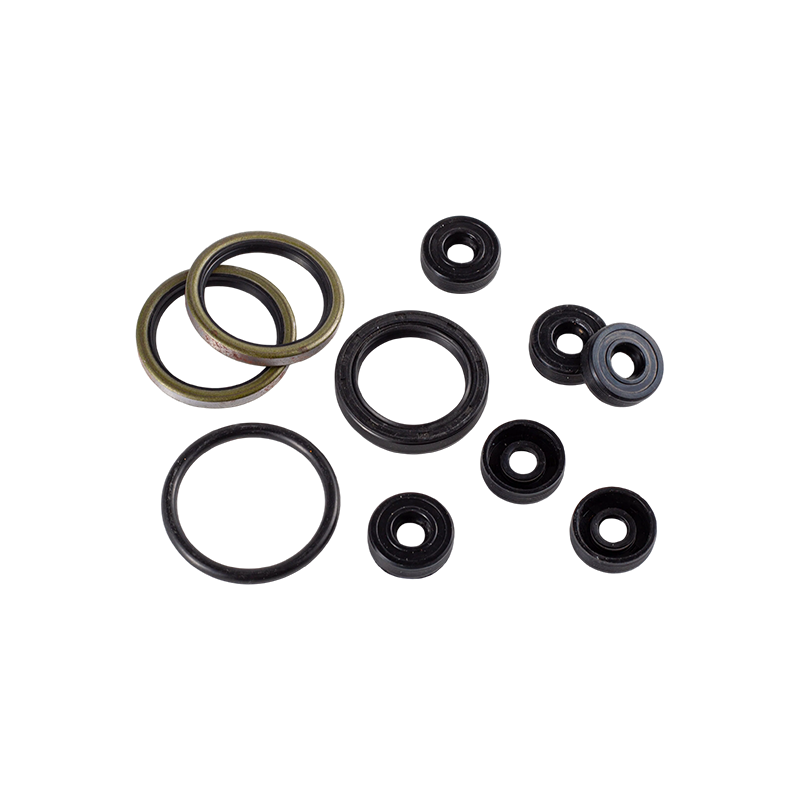
Oil Seal Applications and Selection Requirements
Different industries place different demands on oil seals. The following comparison highlights common equipment applications and the conditions buyers should evaluate before selecting a product.
| Industry | Typical Equipment | Sealing Objective | Important Selection Factors |
|---|---|---|---|
| Automotive | Engines, transmissions, differentials | Retain oil and transmission fluid | Temperature, shaft speed, fluid compatibility |
| Industrial Manufacturing | Gearboxes, motors, reducers | Prevent lubricant leakage | Rotational speed, shaft finish, dimensions |
| Agriculture | Tractors, harvesters, tillers | Retain grease and block contaminants | Dust, moisture, vibration, wear resistance |
| Construction | Excavators, loaders, drive systems | Protect rotating assemblies | Mechanical loads, contamination, temperature |
| Hydraulic Equipment | Hydraulic pumps and motors | Control fluid leakage around rotating shafts | Pressure, speed, hydraulic fluid compatibility |
| Fluid Handling | Industrial pumps and compressors | Retain lubricants and protect internal components | Medium compatibility, speed, temperature |
Common Oil Seal Materials and Their Properties
Material selection is one of the most important factors affecting oil seal performance. Different elastomers offer different levels of resistance to heat, oils, fuels, chemicals, weathering, and mechanical wear.
Nitrile Rubber Oil Seals
Nitrile rubber, commonly abbreviated as NBR, is widely used in general industrial and automotive oil sealing applications. It offers good resistance to many mineral oils, lubricants, and petroleum-based fluids.
NBR oil seals are commonly found in gearboxes, hydraulic equipment, automotive transmissions, industrial motors, and general machinery. They offer a practical balance of sealing performance, mechanical properties, and cost.
However, conventional NBR has limitations when exposed to high temperatures, ozone, outdoor weathering, and certain aggressive chemicals. The actual operating range depends on the specific compound formulation.
Fluorocarbon Rubber Oil Seals
Fluorocarbon rubber, commonly known as FKM, is often selected for applications involving elevated temperatures, oils, fuels, and many industrial chemicals.
FKM oil seals are commonly used in automotive engines, fuel systems, chemical processing equipment, industrial gearboxes, and machinery operating under demanding thermal conditions.
Although FKM offers broad chemical resistance, compatibility is not universal. Certain chemicals and operating environments may require a specialized compound.
Silicone Rubber Oil Seals
Silicone rubber offers good flexibility over a broad temperature range and is suitable for applications involving temperature fluctuations. It can be used in selected automotive components, appliances, and industrial equipment.
However, silicone generally has lower mechanical strength and abrasion resistance than some other sealing elastomers. It may not be suitable for applications involving high friction, aggressive wear, or demanding shaft contact conditions.
Ethylene Propylene Diene Monomer Oil Seals
EPDM offers good resistance to weathering, ozone, water, and many polar chemicals. It is commonly used in water-related equipment, heating systems, and outdoor sealing applications.
EPDM is generally not suitable for petroleum-based oils and fuels. Therefore, it should not be selected for conventional lubricating oil applications without confirming compatibility with the specific medium.
Polytetrafluoroethylene Sealing Materials
PTFE provides excellent chemical resistance, low friction, and good performance in many demanding industrial environments. PTFE-based rotary shaft seals are used in specialized applications involving chemicals, high speeds, or operating conditions where conventional elastomers may be unsuitable.
PTFE has different mechanical and elastic characteristics from rubber. Its sealing structure and installation requirements must be evaluated according to the specific design.
| Material | Main Properties | Typical Applications | Limitations |
|---|---|---|---|
| NBR | Good resistance to mineral oils and lubricants | Gearboxes, automotive systems, hydraulic equipment | Limited high-temperature and ozone resistance |
| FKM | Good heat, oil, fuel, and chemical resistance | Engines, fuel systems, industrial machinery | Compatibility depends on the specific compound |
| Silicone | Good flexibility across a broad temperature range | Selected automotive and industrial applications | Relatively limited abrasion and tear resistance |
| EPDM | Good water, ozone, and weather resistance | Water systems and outdoor equipment | Generally unsuitable for petroleum oils and fuels |
| PTFE | Low friction and excellent chemical resistance | Specialized rotary and chemical processing equipment | Different elasticity and installation requirements |
These characteristics are general material comparisons, not guaranteed operating ratings. Actual temperature limits, pressure capability, and chemical resistance should be confirmed using the technical data for the selected compound.
Important Factors When Selecting Oil Seals
Selecting an oil seal requires evaluating the complete operating environment rather than relying only on its nominal dimensions. A suitable seal should match the shaft, housing, lubricant, rotational conditions, and expected service requirements.
Shaft Diameter and Housing Dimensions
The shaft diameter and housing bore determine the basic size of an oil seal. Conventional rotary oil seal dimensions are commonly specified as inside diameter, outside diameter, and width.
For example, a seal identified by three dimensions may be specified as 30 x 52 x 7 mm, representing a 30 mm shaft diameter, 52 mm housing bore diameter, and 7 mm seal width. This is an illustrative dimensional example, not a product specification or universal standard.
Buyers should also confirm shaft tolerances, housing dimensions, chamfers, and installation depth. Incorrect dimensions may result in poor retention, excessive interference, or insufficient sealing contact.
Rotational Speed
Rotational speed affects friction and heat generation at the sealing lip. As shaft speed increases, the sealing interface may experience greater thermal and mechanical stress.
High-speed applications require careful consideration of lip design, elastomer properties, shaft surface finish, lubrication, and heat dissipation. A seal suitable for a low-speed gearbox may not perform adequately in a high-speed motor.
Operating Temperature
Temperature influences the elasticity, hardness, aging rate, and wear resistance of sealing materials. Excessive heat may cause an elastomer to harden or lose its sealing properties, while low temperatures may reduce flexibility.
Consider the actual temperature near the sealing lip rather than only the ambient temperature of the equipment. Local friction and nearby heat sources can create different operating conditions.
Lubricant and Fluid Compatibility
The seal material must be compatible with the lubricant or fluid it contacts. Mineral oil, synthetic oil, transmission fluid, grease, fuel, and industrial chemicals may interact differently with the same elastomer.
Check the chemical composition, operating temperature, and exposure duration when selecting a material. If the lubricant formulation changes, the original seal compatibility should be reviewed again.
Pressure Conditions
Many conventional rotary oil seals are designed primarily for applications with limited differential pressure. They should not automatically be treated as pressure seals for demanding hydraulic systems.
Where internal pressure is present, confirm the manufacturer's rated pressure and permitted shaft speed. Pressure, rotational speed, and temperature can interact and affect the overall performance of the sealing arrangement.
Shaft Surface Finish and Hardness
The shaft surface directly affects sealing lip wear and leakage behavior. A shaft that is too rough may accelerate abrasion, while an unsuitable surface finish can interfere with the formation of a stable lubricating film.
Shaft hardness, surface treatment, runout, and concentricity should also be considered. The recommended surface specifications depend on the oil seal design and relevant technical standards.
Installation Environment
Dust, water, mud, metal particles, and other contaminants can damage the sealing interface. In harsh environments, an oil seal with an additional dust lip or a suitable external protective arrangement may provide better protection.
Common Oil Seal Problems and Their Causes
Oil seal failure is often associated with incorrect selection, improper installation, shaft surface problems, or operating conditions that exceed the design limits. Identifying the cause of leakage helps prevent repeated replacement and unnecessary equipment downtime.
Oil Leakage Around the Shaft
Oil leakage at the shaft sealing area may result from a worn sealing lip, incorrect seal dimensions, shaft wear, excessive runout, or incompatible sealing material.
Recommended action: Inspect the sealing lip and shaft contact area. Confirm the shaft diameter, surface finish, lubricant compatibility, and operating temperature before installing a replacement.
Oil Leakage Around the Outer Diameter
Leakage between the oil seal and housing may occur when the outer diameter does not fit correctly, the housing bore is damaged, or the seal is installed unevenly.
Recommended action: Check the housing dimensions, surface condition, and specified interference fit. Replace damaged components and use appropriate installation tools to maintain alignment.
Premature Sealing Lip Wear
Excessive friction, inadequate lubrication, rough shaft surfaces, high rotational speed, and shaft misalignment can accelerate sealing lip wear.
Recommended action: Check shaft alignment, lubrication conditions, rotational speed, and surface specifications. Confirm that the selected material is suitable for the operating environment.
Sealing Lip Hardening or Cracking
Prolonged exposure to excessive heat, incompatible fluids, ozone, or aging can cause the elastomer to harden and crack. Once the sealing lip loses its flexibility, it may no longer maintain effective contact with the shaft.
Recommended action: Verify the material compatibility and temperature range. Consider a more suitable elastomer compound if the current material cannot withstand the working conditions.
Seal Displacement or Deformation
An oil seal may become displaced or deformed because of incorrect installation, unsuitable housing dimensions, excessive pressure, or mechanical interference.
Recommended action: Inspect the housing and installation depth, verify the seal dimensions, and check whether the application requires a specialized pressure-resistant sealing design.
Dust and Water Contamination
External contaminants may enter the equipment when the dust lip is damaged, the seal design is unsuitable, or the installation environment exceeds the protection capability of the sealing arrangement.
Recommended action: Evaluate the contamination level and consider a double-lip oil seal or an additional protective structure where appropriate.
Oil Seal Installation and Maintenance Guidelines
Correct installation is essential for achieving the intended sealing performance. Even a high-quality oil seal may leak prematurely if the shaft, housing, or sealing lip is damaged during assembly.
Inspect the Shaft and Housing
Before installation, check the shaft and housing for scratches, burrs, corrosion, deformation, and excessive wear. The sealing area should meet the dimensional and surface requirements specified for the selected seal.
Clean the Installation Area
Remove dust, metal particles, old lubricant, and other contaminants from the shaft and housing. Foreign particles trapped under the sealing lip can create leakage paths or accelerate wear.
Use Suitable Installation Tools
Use an appropriate installation sleeve or pressing tool to apply even force to the oil seal. Avoid directly striking the sealing lip or applying uneven pressure to the metal case.
The seal should be installed in the specified direction and position. For seals designed to retain oil on one side, the primary sealing lip generally faces the lubricant side, subject to the manufacturer's installation instructions.
Lubricate the Sealing Lip When Required
Applying a compatible lubricant to the sealing lip and shaft contact area can reduce friction during initial operation. The lubricant must be compatible with the elastomer and the working medium.
Some specialized seals may have different installation requirements, so the product instructions should always take priority.
Inspect the Seal During Maintenance
Regularly inspect equipment for lubricant leakage, unusual temperature increases, abnormal noise, and visible contamination. These symptoms may indicate oil seal deterioration or problems elsewhere in the mechanical assembly.
When replacing an oil seal, inspect the shaft contact area as well. Installing a new seal on a worn or grooved shaft may result in continued leakage. Where permitted by the equipment design, an approved shaft repair or alternative sealing position may be considered.
Oil Seals vs O-Rings and Mechanical Seals
Oil seals, O-rings, and mechanical seals are all used to prevent leakage, but they have different structures and application requirements. Choosing between them depends on whether the sealing interface is static, rotating, or designed for a specialized mechanical assembly.
| Sealing Product | Basic Structure | Typical Application | Main Function |
|---|---|---|---|
| Oil Seal | Flexible sealing lip, often with a metal case and spring | Rotating shafts in gearboxes, motors, pumps | Retains lubricants and blocks external contaminants |
| O-Ring | Circular elastomer ring | Static connections and selected reciprocating applications | Seals gaps between mating components |
| Mechanical Seal | Precision mating sealing faces and secondary seals | Rotating pumps and process equipment | Controls leakage along rotating equipment shafts |
When Should You Choose an Oil Seal
An oil seal is generally suitable when the application involves a rotating shaft and requires lubricant retention or external contamination protection. Common examples include gearbox output shafts, electric motor shafts, and automotive transmission components.
When Should You Choose an O-Ring
An O-ring is generally more suitable for sealing between stationary surfaces or in specifically designed reciprocating assemblies. It is commonly used in hydraulic fittings, valve connections, equipment covers, and compact fluid passages.
When Should You Choose a Mechanical Seal
A mechanical seal is often used in rotating pumps and process equipment where controlled leakage at the shaft interface is required. It uses precision sealing faces and may be more appropriate for applications that exceed the practical operating range of conventional rotary lip seals.
These sealing products serve different purposes and should not be substituted for one another without reviewing the equipment design and operating requirements.
Why Oil Seal Quality Matters for Equipment Performance
Oil seal quality directly affects equipment lubrication, contamination protection, maintenance frequency, and operating reliability. A sealing component with incorrect dimensions or inconsistent material properties may cause leakage even when the equipment itself is properly designed.
Dimensional Accuracy
Accurate inside diameter, outside diameter, and width are essential for correct installation. Dimensional deviations can affect the shaft contact force, housing retention, and sealing position.
Material Consistency
Elastomer formulation influences hardness, elasticity, heat resistance, chemical compatibility, and wear behavior. Consistent material properties help maintain predictable sealing performance across production batches.
Sealing Lip Quality
The geometry and surface condition of the sealing lip affect shaft contact, friction, lubricant retention, and service life. Defects such as cuts, irregular edges, or uneven lip dimensions can contribute to early leakage.
Structural Stability
The metal case, spring, and bonding structure must meet the requirements of the intended application. Proper construction helps the seal maintain its shape and position during operation.
Inspection and Quality Control
For industrial buyers and equipment manufacturers, it is useful to review the supplier's inspection procedures, dimensional control methods, material documentation, and product traceability. Depending on the application, buyers may also request material test reports or relevant compliance documents.
These quality considerations are particularly important for bulk procurement, replacement parts distribution, and equipment manufacturing programs where product consistency is required.
How to Choose the Right Oil Seal Supplier
Finding a suitable oil seal supplier involves more than comparing unit prices. Buyers should consider product specifications, material options, manufacturing consistency, technical support, and the supplier's ability to meet ongoing purchasing requirements.
Check Product Range and Material Options
A supplier with different oil seal designs and elastomer materials can better support applications involving different shaft sizes, lubricants, rotational speeds, and operating temperatures.
Confirm Dimensional Specifications
Provide the shaft diameter, housing bore diameter, seal width, and available technical drawings. If an existing oil seal is being replaced, a physical sample may help confirm the dimensions and structural details.
Evaluate Manufacturing and Inspection Capabilities
Ask about material inspection, dimensional measurement, visual inspection, and batch quality control. These procedures are important for maintaining consistency in repeated orders.
Review Customization Requirements
Some equipment manufacturers require non-standard dimensions, particular elastomer compounds, specialized lip structures, or specific packaging. Confirm whether the supplier can evaluate drawings and samples for customized sealing requirements.
Confirm Documentation and Delivery Details
Before ordering, clarify the product specifications, material identification, applicable standards, packaging requirements, minimum order quantity, production lead time, and shipping arrangements.
When sourcing Oil Seals, industrial buyers should match the product specifications to their equipment requirements and evaluate both material performance and manufacturing consistency. This approach helps reduce compatibility issues and supports more reliable procurement for machinery production, maintenance, and replacement applications.
A suitable oil seal should provide the correct shaft fit, reliable lubricant retention, and appropriate resistance to the actual operating environment. Careful evaluation before purchasing can help reduce leakage problems and improve long-term equipment reliability.
Frequently Asked Questions About Oil Seals
What is the main purpose of an oil seal
The main purpose of an oil seal is to prevent lubricating oil or grease from leaking out of mechanical equipment while blocking dust, dirt, and moisture from entering. It is commonly installed around rotating shafts in motors, gearboxes, pumps, and automotive components.
Where are oil seals commonly used
Oil seals are commonly used in automotive engines, transmissions, industrial gearboxes, electric motors, hydraulic pumps, agricultural machinery, construction equipment, and compressors. They are particularly important in assemblies where rotating shafts pass through lubricated housings.
What is the difference between an oil seal and a shaft seal
An oil seal is a type of shaft seal commonly used to retain lubricants and prevent contamination around rotating shafts. The term shaft seal is broader and can include oil seals, mechanical seals, and other sealing designs.
What are the most common oil seal materials
Common oil seal materials include NBR, FKM, silicone, EPDM, and PTFE-based sealing materials. NBR is frequently used for general oil sealing, while FKM is often selected for applications involving higher temperatures and demanding chemical exposure. The appropriate material depends on the actual working medium and conditions.
How do I identify the correct oil seal size
Conventional rotary oil seals are commonly identified by three dimensions: inside diameter, outside diameter, and width. These dimensions should be checked against the shaft and housing specifications. For example, a 30 x 52 x 7 mm oil seal has a nominal 30 mm inside diameter, 52 mm outside diameter, and 7 mm width.
Can oil seals prevent dust and water from entering
Yes. Oil seals can help block external contaminants, but their protection level depends on the design and installation environment. Double-lip oil seals with an additional dust lip provide extra protection against dust and moisture compared with many basic single-lip designs.
Why does an oil seal leak after installation
Common causes include incorrect dimensions, damaged sealing lips, improper installation, shaft scratches, excessive runout, incompatible materials, and unsuitable operating conditions. Inspecting both the seal and the shaft is important when identifying the source of leakage.
How long can an oil seal last
Oil seal service life varies according to rotational speed, temperature, lubricant compatibility, shaft surface condition, contamination, installation quality, and operating cycles. There is no single service life that applies to every oil seal. Regular inspection and maintenance help identify deterioration before it causes serious equipment problems.
Can an oil seal be reused after removal
Reusing a removed oil seal is generally not recommended. The sealing lip may have developed wear, deformation, or damage during operation and removal. Installing a new seal with the correct specifications is usually a more reliable approach.
Do all oil seals have a garter spring
No. Many conventional rotary oil seals use a garter spring to maintain radial contact pressure, but some specialized or low-speed designs do not require one. The appropriate structure depends on the sealing requirements and product design.
Can standard oil seals be used in high-pressure hydraulic systems
Not necessarily. Conventional rotary oil seals are generally intended for applications with limited differential pressure. High-pressure hydraulic applications may require specialized pressure-resistant rotary seals or other dedicated sealing arrangements. Always verify the rated operating conditions before use.
What information should I provide when ordering oil seals
Provide the required inside diameter, outside diameter, width, material, working temperature, rotational speed, lubricant type, pressure conditions, and installation environment. Drawings, existing samples, and equipment specifications can also help suppliers identify the appropriate product.