

 English
 русский
 عربى
Industry News
Industry News
Industry News
Industry News
Industry News
Industry News
Industry News
Industry News
Industry News
Content
- 1 How Do Oil Seals Prevent Oil Leakage
- 2 Main Functions of Oil Seals in Mechanical Equipment
- 3 What Are Oil Seals Used for in Different Industries
- 4 Oil Seal Applications and Their Specific Sealing Requirements
- 5 What Types of Oil Seals Are Used for Different Applications
- 6 How Oil Seal Materials Affect Their Applications
- 7 How to Choose the Right Oil Seal for Your Application
- 8 What Happens When an Oil Seal Fails
- 9 Common Oil Seal Failure Causes and Prevention Methods
- 10 Oil Seal Installation and Maintenance Considerations
- 11 Oil Seals vs O-Rings and Mechanical Seals
- 12 How to Choose Oil Seals for Industrial Applications
- 13 Frequently Asked Questions About What Oil Seals Are Used For
- 13.1 What is the main purpose of an oil seal
- 13.2 What do oil seals protect
- 13.3 Are oil seals only used for oil
- 13.4 Why are oil seals used around rotating shafts
- 13.5 Where are oil seals commonly found in cars
- 13.6 What is the difference between single-lip and double-lip oil seals
- 13.7 Which material is best for oil seals
- 13.8 Can oil seals be used in high-speed equipment
- 13.9 Do oil seals prevent water from entering machinery
- 13.10 How do I know if an oil seal needs replacement
- 13.11 What happens if an oil seal is installed incorrectly
- 13.12 How do I select the correct oil seal size
- 13.13 Can oil seals and O-rings be used interchangeably
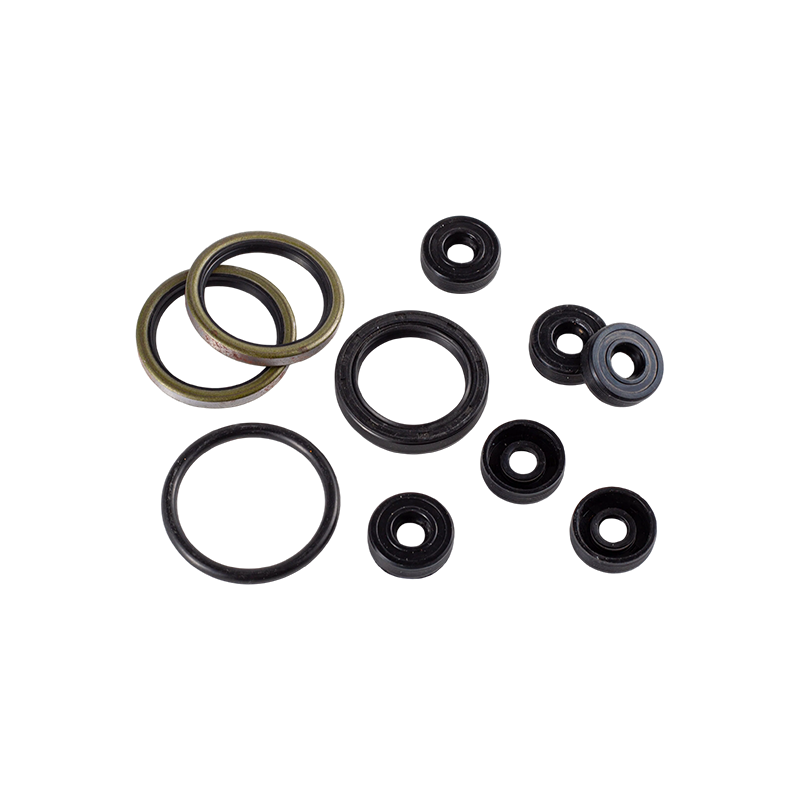
Oil seals are primarily used to prevent lubricating oil and grease from leaking out of mechanical equipment while keeping dust, dirt, water, and other contaminants from entering. They are commonly installed around rotating shafts in engines, gearboxes, pumps, electric motors, compressors, and industrial machinery.
When a rotating shaft passes through a housing containing lubricant, a gap exists between the shaft and the surrounding structure. An oil seal closes this gap through a flexible sealing lip that maintains contact with the shaft. This allows the shaft to rotate while helping retain the lubricant inside the equipment.
In practical applications, oil seals perform several important functions:
- Prevent oil leakage: Retain lubricating oil, transmission fluid, and grease inside mechanical assemblies.
- Block external contaminants: Reduce the entry of dust, dirt, moisture, and other foreign particles.
- Maintain lubrication: Help ensure that bearings, gears, and rotating components receive sufficient lubrication.
- Protect mechanical components: Reduce the risk of premature wear, corrosion, and damage caused by lubricant loss or contamination.
- Reduce maintenance requirements: Help prevent leakage-related equipment failures and unnecessary maintenance interruptions.
In short, oil seals are essential for protecting rotating mechanical assemblies, maintaining lubrication, and supporting reliable equipment operation. Their actual performance depends on the sealing design, material, shaft condition, rotational speed, temperature, and working environment.
How Do Oil Seals Prevent Oil Leakage
Oil seals prevent leakage by creating a controlled contact area between a rotating shaft and the stationary equipment housing. Unlike a simple flat gasket, a conventional rotary oil seal uses a flexible lip that remains in contact with the moving shaft during operation.
Sealing Lip Maintains Contact With the Shaft
The primary sealing lip is usually manufactured from an elastomer selected for the working environment. When installed, the lip applies radial contact pressure to the shaft surface, forming a barrier that restricts lubricant from escaping.
As the shaft rotates, the lip follows its movement while maintaining the sealing interface. A suitable lubricant film at the contact area helps control friction and wear.
Garter Spring Maintains Sealing Force
Many conventional rotary oil seals contain a garter spring around the primary sealing lip. The spring provides additional radial force to help maintain contact between the lip and shaft.
This structure is useful in applications involving continuous rotation, temperature changes, and gradual elastomer aging. However, some specialized oil seal designs do not require a garter spring.
Outer Case Secures the Seal
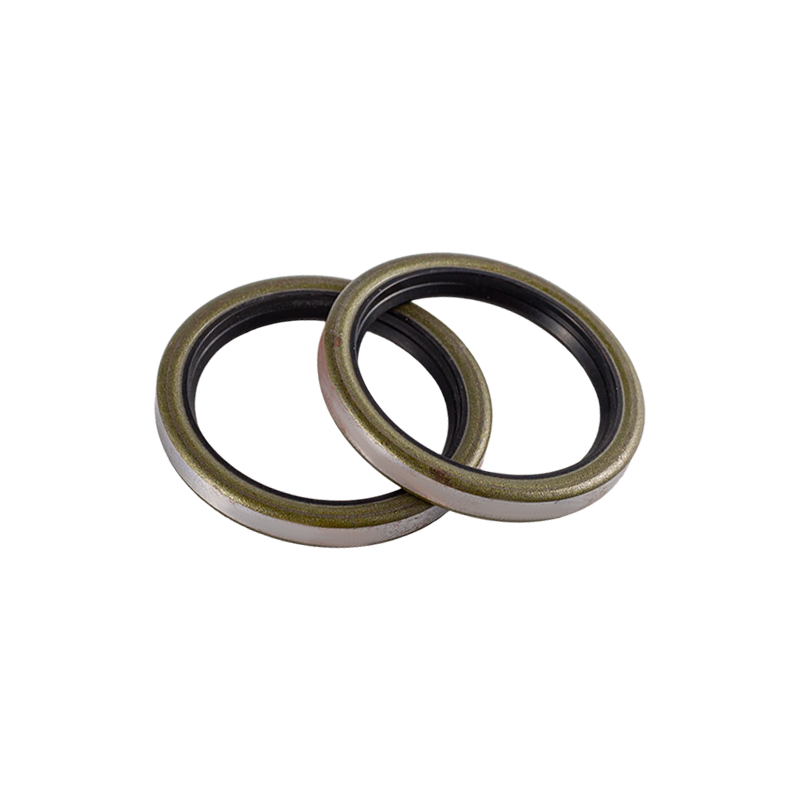
The outer case provides structural support and helps hold the oil seal inside the housing bore. Depending on the design, the outer surface may be exposed metal or covered with rubber.
Correct housing dimensions and installation alignment help prevent the seal from becoming displaced or leaking around its outer diameter.
Additional Dust Lip Protects Against Contamination
Some oil seals feature a secondary dust lip outside the main sealing lip. This additional structure helps prevent dust, dirt, and moisture from reaching the primary sealing area.
Double-lip oil seals are particularly useful in agricultural machinery, construction equipment, and industrial environments where external contamination is common.
Main Functions of Oil Seals in Mechanical Equipment
Oil seals do more than stop visible oil leakage. They help maintain the internal operating environment of mechanical equipment and protect components that depend on consistent lubrication.
Prevent Lubricant Loss
Bearings, gears, shafts, and other moving components require lubricants to reduce friction and control heat. When lubricant escapes through an unsealed shaft opening, the remaining lubricant may no longer be sufficient to protect these components.
Oil seals help retain lubricating oil and grease inside the designated housing, supporting stable mechanical operation and reducing unnecessary lubricant consumption.
Prevent Dust and Moisture Entry
External contaminants can enter mechanical assemblies through gaps around rotating shafts. Dust and abrasive particles may damage bearings and gears, while moisture can contribute to corrosion and lubricant deterioration.
An appropriately selected oil seal helps protect the internal components from these contaminants. In particularly dirty environments, an additional dust lip or external protective structure may be required.
Protect Bearings and Rotating Components
Bearings depend on suitable lubrication and clean operating conditions. If lubricant leaks out or contaminants enter the bearing area, friction and wear may increase.
Oil seals help maintain the conditions needed for bearing operation by retaining lubricant and limiting contamination around the shaft.
Maintain Equipment Operating Efficiency
Lubricant leakage can lead to additional maintenance work, fluid replenishment, cleaning, and unexpected equipment shutdowns. By maintaining a more stable sealing environment, oil seals help reduce these problems.
Reduce Environmental and Workplace Leakage
In industrial facilities, leaking oil can contaminate machine surfaces, floors, and surrounding work areas. Effective shaft sealing helps control lubricant leakage and supports cleaner equipment operation.
What Are Oil Seals Used for in Different Industries
Oil seals are widely used wherever rotating shafts operate inside lubricated mechanical assemblies. Their applications range from small automotive components to large industrial gearboxes and heavy-duty construction machinery.
Automotive Engines and Transmissions
In the automotive industry, oil seals are used to retain engine oil, transmission fluid, and lubricating grease around rotating components. They help prevent leakage at shaft openings and protect internal assemblies from external contaminants.
Common automotive applications include:
- Crankshaft front and rear oil seals.
- Camshaft oil seals.
- Transmission input and output shaft seals.
- Differential and axle oil seals.
- Wheel hub and bearing sealing assemblies.
For example, a crankshaft oil seal helps prevent engine oil from escaping around the rotating crankshaft. A transmission shaft oil seal helps retain transmission fluid while the shaft transfers rotational power.
Automotive oil seals must withstand vibration, temperature fluctuations, shaft rotation, and contact with specific lubricants. Material compatibility and dimensional accuracy are important for maintaining sealing performance.
Industrial Gearboxes and Speed Reducers
Gearboxes and speed reducers use lubricating oil to reduce friction between gears and bearings. Oil seals are installed around input shafts, output shafts, and other rotating interfaces to prevent lubricant from escaping.
For example, an oil seal installed at the output shaft of a gearbox helps retain gear oil during continuous operation. If the seal becomes worn or damaged, lubricant leakage may reduce the amount of oil available to protect the internal gears.
In dusty manufacturing environments, double-lip designs may provide additional protection against external particles.
Electric Motors and Generators
Electric motors and generators contain rotating shafts and bearing assemblies that require appropriate lubrication and protection. Oil seals are used in selected motor designs to retain grease or oil and limit the entry of dust and moisture.
Typical applications include industrial drive motors, motor bearing housings, generator assemblies, and selected high-speed rotating equipment.
When selecting an oil seal for an electric motor, buyers should consider rotational speed, shaft surface finish, temperature, lubrication method, and the equipment manufacturer's design requirements.
Hydraulic Pumps and Motors
Hydraulic pumps and motors may use rotary shaft seals to prevent hydraulic fluid from leaking around rotating shafts. These seals help maintain fluid containment while protecting the shaft opening from external contamination.
However, conventional oil seals are not interchangeable with hydraulic piston seals or rod seals. Hydraulic systems involving significant pressure require dedicated sealing designs with verified pressure and speed ratings.
Agricultural Machinery
Tractors, harvesters, tillers, and other agricultural machines operate in environments containing soil, dust, water, and plant debris. Oil seals are used in gearboxes, drive axles, rotating shafts, and other lubricated assemblies.
For these applications, contamination protection is particularly important. Double-lip oil seals can help prevent external particles from reaching the primary sealing lip, while suitable elastomer materials help withstand the operating environment.
Construction and Mining Equipment
Excavators, loaders, bulldozers, drilling machines, and mining equipment often operate under heavy mechanical loads and harsh environmental conditions.
Oil seals are used in drive systems, gearboxes, motors, and other rotating components to retain lubricants and protect internal mechanical parts.
Selection should account for vibration, abrasive particles, rotational speed, temperature, and possible contact with water or other contaminants.
Industrial Pumps and Compressors
Industrial pumps and compressors contain rotating shafts and lubricated components that require effective sealing. Oil seals may be used around shaft openings to retain lubricants and prevent contamination from entering the equipment.
Typical applications include lubrication pumps, water pumps, air compressors, and selected process machinery. For equipment handling aggressive chemicals or specialized gases, the sealing material must be checked against the actual medium.
Oil Seal Applications and Their Specific Sealing Requirements
Although oil seals share the same basic purpose, different industries place different demands on their structure and material. The following table summarizes common applications and the factors that should be evaluated during product selection.
| Industry | Typical Equipment | What Oil Seals Are Used For | Important Requirements |
|---|---|---|---|
| Automotive | Engines, transmissions, differentials | Retaining engine oil and transmission fluid | Temperature resistance, fluid compatibility, shaft speed |
| Industrial Manufacturing | Gearboxes, reducers, electric motors | Preventing lubricant leakage | Dimensional accuracy, wear resistance, rotational speed |
| Agriculture | Tractors, harvesters, tillers | Retaining grease and blocking dust | Contamination protection, moisture resistance |
| Construction | Excavators, loaders, drive systems | Protecting rotating mechanical assemblies | Vibration resistance, wear, environmental exposure |
| Hydraulic Equipment | Hydraulic pumps and motors | Controlling fluid leakage around rotating shafts | Pressure, speed, hydraulic fluid compatibility |
| Fluid Handling | Industrial pumps and compressors | Retaining lubricants and preventing contamination | Temperature, medium compatibility, shaft conditions |
This comparison describes typical industry applications. Actual sealing requirements should be confirmed using the equipment drawings, operating specifications, and selected seal manufacturer's technical documentation.
What Types of Oil Seals Are Used for Different Applications
Oil seals are available in different designs to meet requirements involving lubricant retention, contamination protection, shaft speed, and installation conditions. Choosing the correct structure helps improve sealing performance and reduce premature wear.
Single-Lip Oil Seals
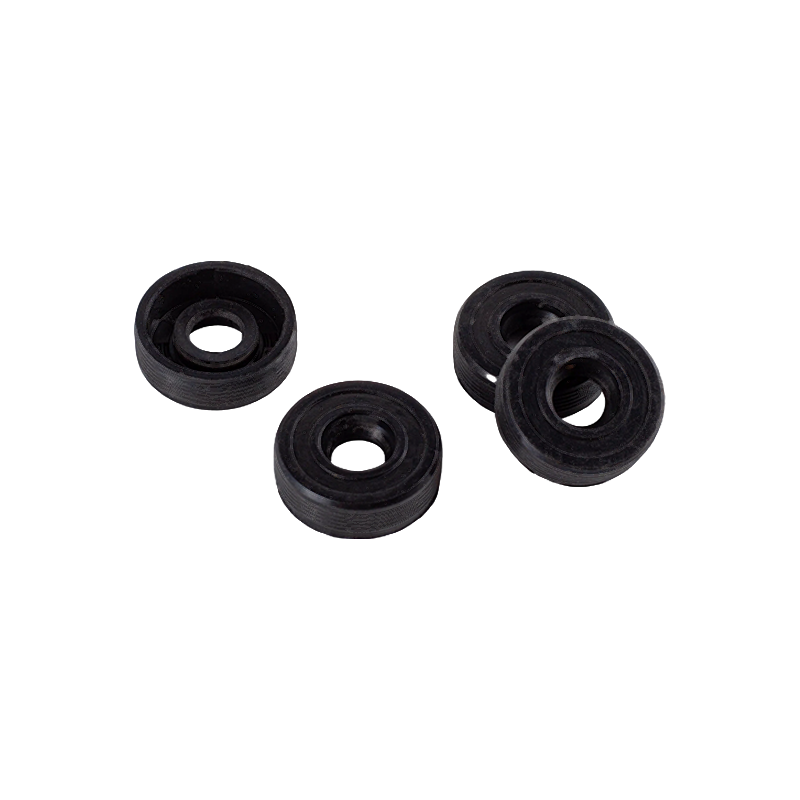
Single-lip oil seals contain one primary sealing lip designed to retain lubricant around a rotating shaft. They are commonly used in relatively clean environments where the main requirement is preventing oil or grease leakage.
Typical applications include industrial gearboxes, electric motors, pumps, and general mechanical equipment.
Double-Lip Oil Seals
Double-lip oil seals usually include a primary sealing lip and an additional dust lip. The primary lip retains lubricant, while the secondary lip helps block dust, dirt, and moisture.
They are suitable for agricultural equipment, construction machinery, automotive components, and other environments with higher contamination levels.
Spring-Loaded Oil Seals
Spring-loaded oil seals use a garter spring to maintain radial force around the primary sealing lip. This helps the lip maintain contact with the shaft during rotation and supports consistent sealing under suitable operating conditions.
They are widely used in transmissions, industrial motors, pumps, compressors, and rotating machinery.
Metal-Cased Oil Seals
Metal-cased oil seals use a rigid outer structure to provide support and help secure the seal inside the housing. They are commonly used in industrial equipment where stable installation and structural strength are important.
Rubber-Covered Oil Seals
Rubber-covered oil seals have an elastomeric layer around the outer case. This design can improve contact with the housing bore and accommodate certain surface conditions.
They may be suitable for equipment where the housing surface and installation requirements favor an elastomer-covered outside diameter.
| Oil Seal Type | Primary Function | Suitable Applications |
|---|---|---|
| Single-Lip Oil Seal | Retains oil or grease around a rotating shaft | Gearboxes, motors, pumps |
| Double-Lip Oil Seal | Retains lubricant and provides additional dust protection | Agricultural and construction equipment |
| Spring-Loaded Oil Seal | Maintains radial contact force at the sealing lip | Transmissions and rotating machinery |
| Metal-Cased Oil Seal | Provides structural support and housing retention | Industrial machinery and mechanical assemblies |
| Rubber-Covered Oil Seal | Provides an elastomer-covered outer sealing surface | Selected industrial housing applications |
How Oil Seal Materials Affect Their Applications
Oil seal materials determine how well the sealing lip performs when exposed to lubricants, temperature changes, friction, and environmental conditions. A material suitable for an automotive gearbox may not be appropriate for a water-based system or a high-temperature industrial application.
Nitrile Rubber for General Oil Sealing
Nitrile rubber, commonly known as NBR, is widely used for oil seals because of its good resistance to many mineral oils, lubricants, and petroleum-based fluids.
Typical applications include industrial gearboxes, hydraulic equipment, automotive transmissions, and general machinery.
However, conventional NBR has limitations in prolonged high-temperature exposure and environments containing ozone or strong weathering conditions.
Fluorocarbon Rubber for Higher Temperature Applications
Fluorocarbon rubber, commonly abbreviated as FKM, is frequently selected for applications involving elevated temperatures, fuels, oils, and many industrial chemicals.
It is commonly used in automotive engines, industrial machinery, fuel systems, and equipment operating under demanding thermal conditions.
Its suitability still depends on the specific chemical, temperature, and compound formulation.
Silicone for Temperature Flexibility
Silicone rubber offers good flexibility across a broad temperature range and can be used in selected automotive and industrial sealing applications.
However, its abrasion and tear resistance may be lower than those of some other elastomers. It should be evaluated carefully for applications involving continuous shaft contact and mechanical wear.
EPDM for Water and Weather Exposure
EPDM offers good resistance to water, ozone, and weathering. It is commonly used in water-related equipment and outdoor sealing applications.
However, it is generally unsuitable for petroleum-based oils and fuels, so compatibility must be checked before use in lubricant-retaining applications.
PTFE for Specialized Sealing Conditions
PTFE offers low friction and excellent resistance to many chemicals. PTFE-based rotary shaft seals are used in specialized applications where conventional elastomers may not provide sufficient chemical or friction performance.
PTFE has different elasticity and installation characteristics from conventional rubber. The seal design must be matched to the shaft and operating conditions.
| Material | Key Characteristics | Common Applications | Selection Considerations |
|---|---|---|---|
| NBR | Good resistance to mineral oils and lubricants | Gearboxes, hydraulic equipment, automotive systems | Temperature and ozone limitations |
| FKM | Good heat, oil, fuel, and chemical resistance | Engines, fuel systems, industrial equipment | Specific chemical compatibility |
| Silicone | Good flexibility over a broad temperature range | Selected automotive and industrial equipment | Abrasion and tear resistance |
| EPDM | Good water, ozone, and weather resistance | Water systems and outdoor equipment | Generally unsuitable for petroleum oils |
| PTFE | Low friction and excellent chemical resistance | Specialized industrial sealing systems | Design and installation requirements |
Material properties vary according to formulation and manufacturing process. Buyers should confirm actual operating limits and chemical compatibility using technical data for the specific sealing compound.
How to Choose the Right Oil Seal for Your Application
Selecting an oil seal requires evaluating the mechanical structure, working medium, rotational conditions, and installation environment. Choosing a seal based only on its external appearance or nominal dimensions may result in leakage or premature failure.
Identify the Working Medium
First, determine which fluid or lubricant the oil seal will contact. Common examples include engine oil, gear oil, hydraulic oil, transmission fluid, grease, and other industrial lubricants.
Different elastomers have different compatibility characteristics. For example, NBR is commonly used with mineral oils, while FKM may be preferred for selected higher-temperature oil and fuel applications.
Confirm the Shaft and Housing Dimensions
Conventional rotary oil seals are generally specified using three primary dimensions:
- Inside diameter: Corresponds to the nominal shaft diameter.
- Outside diameter: Corresponds to the nominal housing bore diameter.
- Width: Indicates the axial thickness of the seal.
For example, an oil seal specified as 30 x 52 x 7 mm has a nominal inside diameter of 30 mm, outside diameter of 52 mm, and width of 7 mm. This is an illustrative size example, not a specification for a particular product.
Buyers should also check shaft tolerances, housing conditions, installation depth, and the required fit.
Evaluate Rotational Speed
Shaft speed influences friction and heat generation at the sealing lip. Higher rotational speeds may increase thermal stress and wear, especially when lubrication or shaft surface conditions are unsuitable.
Check the operating speed range and confirm that the selected seal design is suitable for continuous or intermittent rotation.
Check Operating Temperature
Temperature affects elastomer flexibility, hardness, aging, and resistance to wear. Both minimum and maximum operating temperatures should be considered.
Also account for heat generated by friction and nearby mechanical components. The temperature at the sealing lip may differ from the general ambient temperature.
Consider Pressure Conditions
Conventional rotary oil seals are generally designed for applications with limited differential pressure. If the equipment operates under higher internal pressure, a specialized pressure-resistant sealing design may be necessary.
Pressure and rotational speed should be evaluated together because both can affect sealing performance.
Check Shaft Surface Condition
The shaft surface directly affects the contact between the sealing lip and the rotating component. Scratches, grooves, excessive roughness, and abnormal runout can contribute to leakage and accelerated wear.
Confirm the required surface finish, hardness, and dimensional tolerances according to the selected seal design.
Consider Environmental Contamination
If the equipment operates in dusty, wet, or abrasive environments, additional contamination protection may be necessary. Double-lip oil seals or other protective structures can help reduce the entry of external particles.
What Happens When an Oil Seal Fails
A damaged or unsuitable oil seal can affect more than the immediate sealing point. Lubricant loss and contamination may gradually damage bearings, gears, shafts, and other internal components.
Lubricant Leakage
When the sealing lip loses contact with the shaft, oil or grease may escape from the housing. Continuous leakage can reduce the available lubricant and increase friction between moving components.
Increased Bearing and Gear Wear
Insufficient lubrication can cause excessive friction and heat in bearings and gears. If external particles enter the assembly, abrasive wear may increase further.
Contamination of Internal Components
A damaged dust lip or unsuitable sealing design may allow dust, moisture, and debris to enter the equipment. These contaminants can affect lubricant quality and damage precision mechanical surfaces.
Equipment Overheating
When lubrication becomes insufficient, friction may increase and contribute to higher operating temperatures. Continued operation under these conditions may shorten the service life of bearings and other components.
Unexpected Maintenance and Downtime
Oil leakage may require equipment shutdown, seal replacement, lubricant replenishment, and inspection of affected components. In production environments, these activities can interrupt normal operations.
Replacing a damaged oil seal promptly and identifying the original cause of failure can help prevent further equipment damage.
Common Oil Seal Failure Causes and Prevention Methods
Oil seal failure can result from incorrect product selection, installation damage, unsuitable operating conditions, or wear of the shaft and housing. Understanding the cause is important when replacing a failed seal.
| Common Problem | Possible Cause | Recommended Prevention |
|---|---|---|
| Leakage at the shaft | Worn lip, shaft scratches, incorrect dimensions | Inspect the shaft and confirm seal specifications |
| Leakage around the housing | Incorrect outer diameter, damaged bore, poor installation | Check housing fit and use suitable installation tools |
| Premature lip wear | Excessive friction, high speed, poor lubrication | Check operating speed, lubrication, and shaft finish |
| Hardening or cracking | Excessive temperature or incompatible fluid | Select a suitable elastomer material |
| Seal displacement | Incorrect installation or unsuitable housing dimensions | Verify dimensions and installation depth |
| Dust contamination | Damaged dust lip or insufficient protection | Consider a double-lip design or additional protection |
Inspect the Sealing Lip
Check for cracks, cuts, hardening, deformation, and uneven wear. A damaged sealing edge may no longer maintain continuous contact with the shaft.
Inspect the Shaft Contact Area
Look for scratches, grooves, corrosion, and wear marks. A new oil seal installed on a damaged shaft may continue to leak because the sealing lip cannot establish a suitable contact surface.
Verify the Original Operating Conditions
Check whether the equipment has experienced excessive temperature, increased rotational speed, pressure changes, or a lubricant change. These conditions may explain why the previous seal failed.
Replace With the Correct Specification
Confirm the dimensions, material, sealing structure, and application requirements before ordering a replacement. A visually similar seal may have different internal dimensions or material properties.
Oil Seal Installation and Maintenance Considerations
Proper installation helps oil seals achieve their intended performance. Incorrect handling can damage the sealing lip or deform the outer case before the equipment even starts operating.
Clean the Shaft and Housing
Remove old lubricant, dust, metal particles, and other contaminants from the installation area. Check the shaft and housing for burrs or sharp edges that could damage the seal during assembly.
Use Appropriate Installation Tools
Use a suitable pressing tool or installation sleeve to apply even force to the seal. Avoid hammering directly on the sealing lip or applying pressure unevenly to the outer case.
Install in the Correct Direction
For conventional oil seals designed to retain lubricant on one side, the primary sealing lip generally faces the lubricant side. However, specialized designs may have different directional requirements, so the manufacturer's installation instructions should be followed.
Apply Compatible Lubrication
Where recommended, apply a compatible lubricant to the sealing lip and shaft contact area before assembly. This helps reduce friction during initial operation and prevents dry running at startup.
Monitor Leakage During Operation
After installation, inspect the sealing area for visible leakage and check for abnormal operating temperatures or noise. Regular inspection can help identify sealing problems before they affect other mechanical components.
Replace Rather Than Reuse Damaged Seals
Reusing a removed oil seal is generally not recommended for critical applications. The sealing lip may have experienced permanent deformation, wear, or damage that is difficult to identify visually.
Oil Seals vs O-Rings and Mechanical Seals
Oil seals, O-rings, and mechanical seals all help control leakage, but their structures and intended applications are different. Understanding these differences helps buyers select a sealing component that matches the equipment design.
| Sealing Product | Basic Structure | Typical Applications | Main Purpose |
|---|---|---|---|
| Oil Seal | Flexible sealing lip, often supported by a metal case and spring | Rotating shafts in gearboxes, motors, and pumps | Retains lubricants and blocks contaminants |
| O-Ring | Circular elastomer ring | Static joints and selected reciprocating assemblies | Seals gaps between mating components |
| Mechanical Seal | Precision mating sealing faces and secondary seals | Rotating pumps and process equipment | Controls leakage around rotating shafts |
Oil seals are generally suitable for rotating shaft applications involving lubricant retention. O-rings are commonly used for stationary connections, while mechanical seals are often selected for specialized rotating equipment such as process pumps.
These products should not be treated as interchangeable. The appropriate solution depends on the mechanical structure, fluid, pressure, rotational conditions, and required sealing performance.
How to Choose Oil Seals for Industrial Applications
For industrial equipment manufacturers, maintenance companies, and sealing product distributors, choosing the right oil seal involves checking more than its size. Product structure, elastomer material, manufacturing consistency, and application compatibility all influence long-term performance.
Confirm the Equipment Application
Identify whether the seal will be used in a gearbox, motor, pump, compressor, agricultural machine, or other rotating assembly. Different equipment types may have different shaft speeds, lubrication methods, and contamination levels.
Prepare Complete Technical Specifications
Provide the inside diameter, outside diameter, width, material, working temperature, rotational speed, lubricant type, and installation environment. Drawings or physical samples can help suppliers confirm the required structure.
Evaluate Material and Manufacturing Consistency
For repeated purchasing and equipment production, consistent dimensions and material properties are important. Buyers can review dimensional inspection procedures, material documentation, batch control, and applicable product testing information.
Consider Customization and Bulk Purchasing
Some industrial applications require non-standard dimensions, specific elastomer compounds, particular lip structures, or customized packaging. Confirm the supplier's ability to evaluate drawings and samples before placing an order.
Choose a Suitable Product for Long-Term Operation
When sourcing Oil Seals, buyers should evaluate the product according to the actual equipment requirements rather than selecting solely by price or appearance.
For automotive components, industrial machinery, hydraulic equipment, and general mechanical assemblies, the correct sealing solution should provide suitable dimensional compatibility, lubricant resistance, and operating stability.
A properly selected oil seal helps retain lubricant, protect rotating components, reduce contamination, and maintain equipment reliability. Matching the seal design and material to the actual working environment is the most important step in achieving dependable sealing performance.
Frequently Asked Questions About What Oil Seals Are Used For
What is the main purpose of an oil seal
The main purpose of an oil seal is to prevent lubricating oil and grease from leaking out of mechanical equipment while blocking dust, dirt, and moisture from entering. It is commonly installed around rotating shafts in engines, gearboxes, motors, and pumps.
What do oil seals protect
Oil seals protect bearings, gears, shafts, and other internal mechanical components by retaining lubricants and limiting the entry of external contaminants. This helps reduce friction, wear, corrosion, and premature component failure.
Are oil seals only used for oil
No. Depending on the sealing material and design, oil seals can also be used with grease and certain other compatible fluids. The material must be selected according to the chemical properties and operating conditions of the medium.
Why are oil seals used around rotating shafts
Rotating shafts create a moving interface between the shaft and the stationary housing. Oil seals use flexible sealing lips to maintain contact with the shaft while allowing rotation, helping prevent lubricant leakage and external contamination.
Where are oil seals commonly found in cars
Oil seals are commonly found around crankshafts, camshafts, transmission shafts, differentials, axles, and wheel hub assemblies. They help retain engine oil, transmission fluid, and grease in the relevant mechanical components.
What is the difference between single-lip and double-lip oil seals
A single-lip oil seal has one primary sealing lip for lubricant retention. A double-lip design generally includes an additional dust lip to provide extra protection against external contaminants such as dust, dirt, and moisture.
Which material is best for oil seals
There is no single material suitable for every application. NBR is commonly used for general mineral oil sealing, while FKM is often selected for higher-temperature and certain fuel or chemical applications. The best choice depends on lubricant compatibility, temperature, speed, and environmental exposure.
Can oil seals be used in high-speed equipment
Yes. Specially designed oil seals can be used in high-speed rotating equipment, but the permitted speed depends on the seal structure, material, shaft surface finish, lubrication, and heat dissipation. The manufacturer's technical specifications should be checked before selection.
Do oil seals prevent water from entering machinery
Oil seals can help prevent moisture and water from entering equipment, especially when they include additional dust or protective lips. However, their water protection capability depends on the design, installation, pressure conditions, and exposure environment.
How do I know if an oil seal needs replacement
Common signs include visible lubricant leakage, cracked or hardened sealing lips, excessive wear, deformation, and contamination around the sealing area. Abnormal bearing noise or increased operating temperature may also indicate related lubrication problems.
What happens if an oil seal is installed incorrectly
Incorrect installation may damage the sealing lip, deform the outer case, cause uneven contact, or allow the seal to become displaced. These problems can lead to immediate leakage or premature failure.
How do I select the correct oil seal size
Check the inside diameter, outside diameter, and width against the shaft and housing specifications. Also consider installation depth, shaft tolerance, and the manufacturer's dimensional requirements.
Can oil seals and O-rings be used interchangeably
No. Oil seals are generally designed for rotating shaft sealing, while O-rings are commonly used for static sealing and selected reciprocating applications. Their structures and operating requirements are different.