

 English
 русский
 عربى
Industry News
Industry News
Industry News
Industry News
Industry News
Industry News
Industry News
Industry News
Industry News
Content
- 1 How Do O-Rings Work in Sealing Applications
- 2 Common Industrial Applications of O-Rings
- 3 O-Ring Applications Across Different Industries
- 4 Common O-Ring Materials and Their Applications
- 5 What Problems Do O-Rings Help Prevent
- 6 How to Select the Right O-Ring for Your Application
- 7 Common Causes of O-Ring Failure and How to Prevent Them
- 8 O-Rings vs Other Common Sealing Solutions
- 9 Why O-Rings Are Widely Used in Industrial Equipment
- 10 Choosing Industrial O-Rings for Your Equipment
- 11 Frequently Asked Questions About O-Rings
- 11.1 What is the main purpose of an O-ring
- 11.2 Can O-rings be used for both liquids and gases
- 11.3 Are O-rings suitable for high-pressure applications
- 11.4 How do I know when an O-ring needs replacement
- 11.5 Can I replace an O-ring with a different material
- 11.6 What is the difference between NBR and FKM O-rings
- 11.7 How long do O-rings typically last
- 11.8 Can O-rings be reused after removal
- 11.9 What information should I provide when ordering O-rings
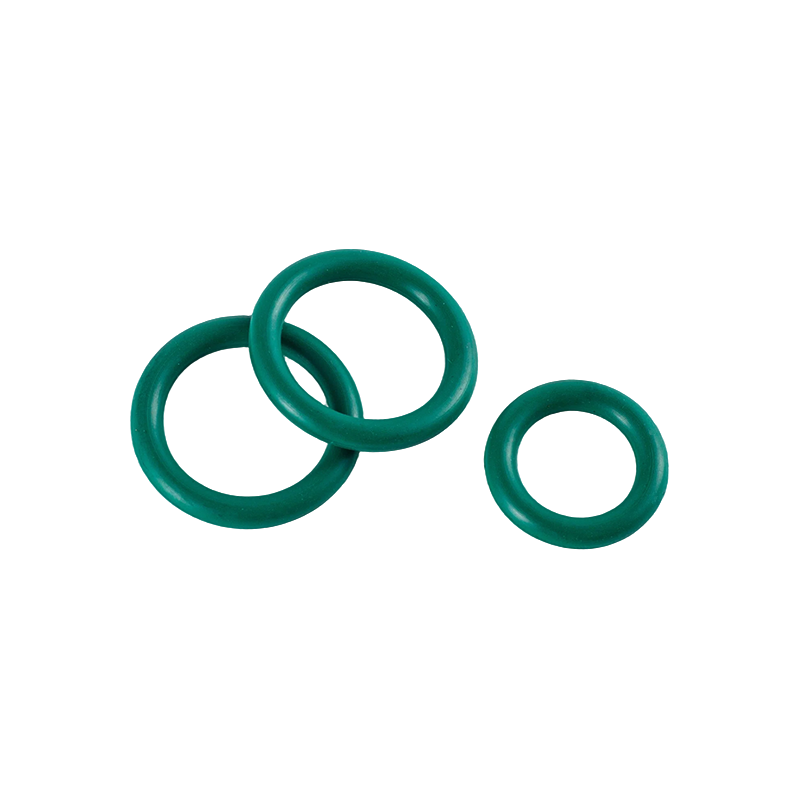
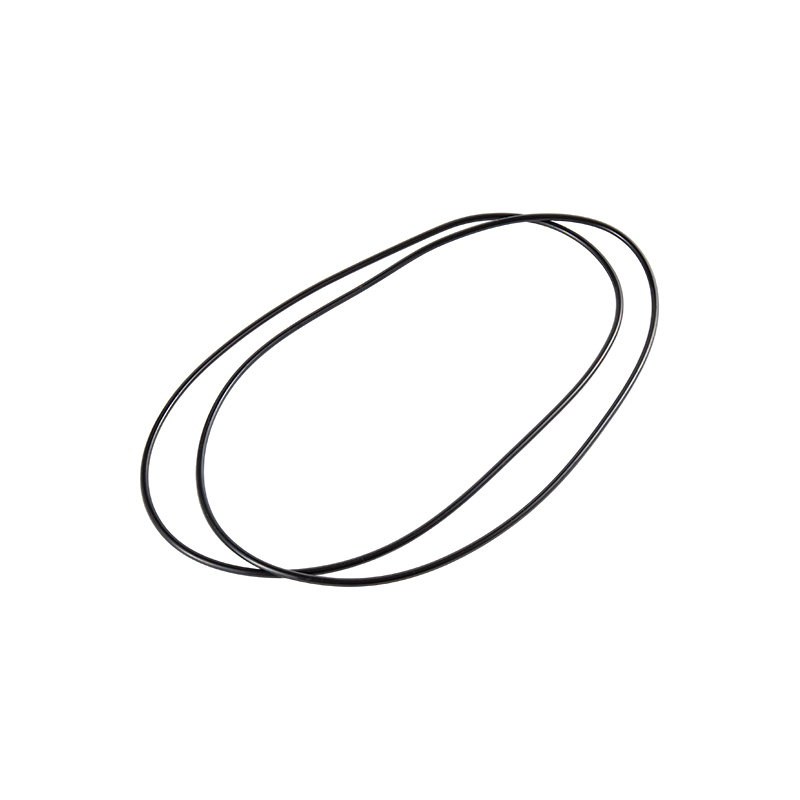
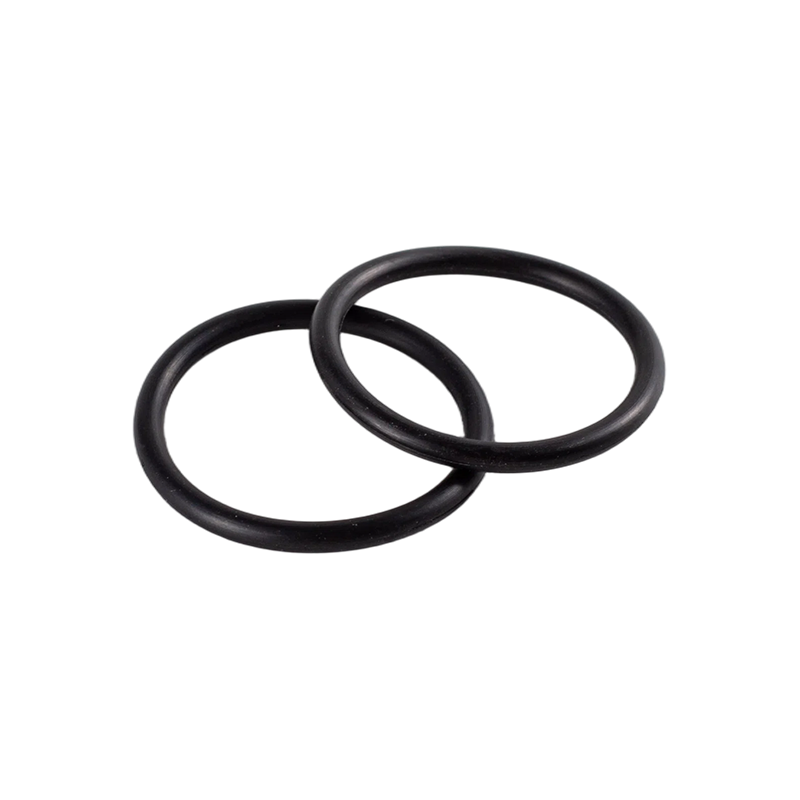
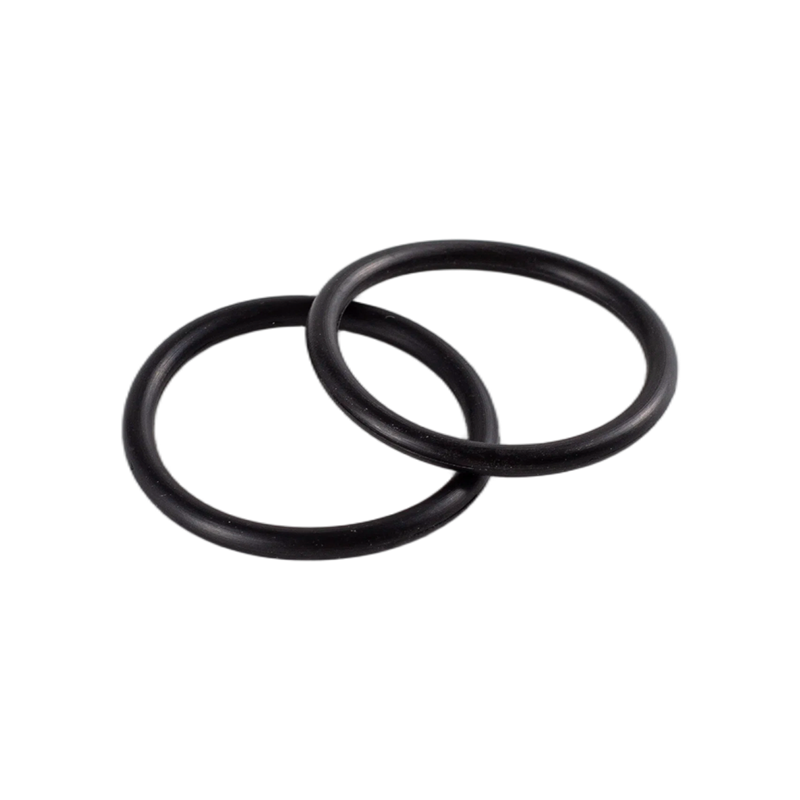
O-rings are primarily used to prevent the leakage of liquids and gases between two connected components. They create a tight seal by compressing an elastic ring inside a specially designed groove. When installed correctly, the ring fills the space between mating surfaces and prevents fluids or gases from escaping or entering the system.
O-rings are widely used in hydraulic cylinders, pneumatic equipment, automotive engines, pumps, valves, industrial machinery, and plumbing systems. Their simple circular design makes them suitable for both static sealing applications, where components remain stationary, and dynamic sealing applications, where components move relative to each other.
For manufacturers and equipment operators, O-rings provide a practical sealing solution that helps maintain operating pressure, reduce fluid loss, protect internal components, and improve equipment reliability. The appropriate O-ring depends on factors such as working pressure, temperature, fluid compatibility, movement, and installation conditions.
How Do O-Rings Work in Sealing Applications
An O-ring works through elastic deformation. During installation, the circular ring is compressed between two mating surfaces or inside a groove. This compression creates contact pressure that helps block the passage of liquids or gases.
Compression Creates a Sealing Barrier
When an O-ring is placed inside a properly sized groove, its cross-section is compressed to establish contact with the surrounding surfaces. The elastomer attempts to return to its original shape, generating a continuous sealing force.
As system pressure increases, the fluid or gas pressure can push the O-ring more firmly against the sealing surfaces. This pressure-assisted sealing effect helps the ring maintain contact under suitable operating conditions.
Static and Dynamic Sealing
O-rings are used in two main types of sealing arrangements.
- Static sealing: Used between stationary components, such as pipe connections, flange assemblies, valve covers, and equipment housings. The O-ring remains in a fixed position after installation.
- Dynamic sealing: Used where components move relative to the sealing ring. Common examples include hydraulic pistons, cylinder rods, and pneumatic actuators.
Static applications generally involve less friction and wear. Dynamic applications require additional attention to surface finish, lubrication, friction, material properties, and extrusion resistance.
Why Correct Compression Matters
An O-ring must be compressed enough to create an effective seal without being excessively squeezed. Insufficient compression may cause leakage, while excessive compression can accelerate material fatigue, deformation, and premature failure.
Groove dimensions, O-ring cross-section, hardness, and operating conditions should therefore be considered together during the sealing design process.
Common Industrial Applications of O-Rings
O-rings are used across a wide range of industries because they can seal different fluids and gases in compact mechanical assemblies. Their actual performance depends on selecting a material and design suitable for the application.
Hydraulic Systems
Hydraulic equipment uses pressurized oil to transmit force and operate mechanical components. O-rings are commonly installed in hydraulic cylinders, pumps, control valves, manifolds, and hydraulic connections.
In these applications, they help prevent hydraulic oil leakage and maintain the pressure needed for stable equipment operation. Hydraulic O-rings must withstand the working pressure, oil type, temperature fluctuations, and repeated mechanical movement.
Pneumatic Systems
Pneumatic equipment uses compressed air to operate cylinders, actuators, valves, and automation machinery. O-rings are used to seal air passages and prevent pressure loss between connected components.
Common applications include pneumatic cylinders, solenoid valves, air compressors, and pneumatic connectors. Low friction and suitable elasticity are important considerations, particularly in systems involving frequent reciprocating movement.
Automotive and Transportation Equipment
Vehicles contain numerous fluid and gas systems that require reliable sealing. O-rings are commonly found in engine assemblies, fuel systems, cooling systems, air conditioning equipment, oil filters, and transmission components.
For example, an O-ring in a cooling system connection helps prevent coolant leakage, while an appropriately selected sealing ring in an air conditioning connection helps contain refrigerant within the system.
Pumps and Valves
Industrial pumps and valves handle water, oil, chemicals, and other process fluids. O-rings are used around valve stems, pump housings, covers, connectors, and internal sealing interfaces.
They help prevent leakage during fluid transfer and maintain the integrity of equipment connections. For chemical processing applications, material compatibility is particularly important because some chemicals can cause elastomers to swell, harden, or deteriorate.
Industrial Machinery and Automation
Manufacturing equipment often contains moving parts, pressurized passages, and removable connections. O-rings provide sealing for gearboxes, machine tool assemblies, automation components, lubrication systems, and industrial control equipment.
They are especially useful in compact assemblies where a simple, replaceable sealing component is preferred over more complicated sealing structures.
Water Treatment and Plumbing Equipment
O-rings are commonly used in water pumps, filtration housings, pipe connectors, faucets, water valves, and treatment equipment. They help prevent water leakage around joints and removable components.
For drinking water applications, the material must meet the relevant drinking water contact requirements in the intended market. Standard industrial rubber should not automatically be considered suitable for potable water systems.
O-Ring Applications Across Different Industries
The following table summarizes common application scenarios and the main sealing requirements in different industries.
| Industry | Typical Equipment | Main Sealing Purpose | Important Selection Factors |
|---|---|---|---|
| Hydraulic Engineering | Hydraulic cylinders, pumps, valves | Prevent hydraulic oil leakage and pressure loss | Pressure, oil compatibility, temperature, wear |
| Pneumatic Automation | Air cylinders, actuators, air valves | Maintain compressed air pressure | Friction, elasticity, air compatibility, movement |
| Automotive | Engines, cooling systems, fuel systems | Contain oil, coolant, fuel, and refrigerant | Temperature, fluid compatibility, vibration |
| Industrial Processing | Chemical pumps, pipelines, valves | Prevent process fluid leakage | Chemical resistance, pressure, temperature |
| Water Treatment | Filters, water pumps, connectors | Prevent water leakage at connections | Water compatibility, pressure, applicable certifications |
| General Machinery | Gearboxes, machine tools, housings | Retain lubricants and prevent contamination | Installation space, temperature, oil compatibility |
Common O-Ring Materials and Their Applications
Material selection directly affects sealing performance, service life, and resistance to operating conditions. Different elastomers have different levels of resistance to heat, oil, chemicals, weather, and mechanical wear.
Nitrile Rubber O-Rings (NBR)
NBR is widely used in general industrial sealing applications, particularly where contact with mineral oils, lubricants, and hydraulic fluids is involved. It offers a practical balance of oil resistance, mechanical properties, and cost.
Typical applications include hydraulic equipment, fuel systems, oil pumps, and general machinery. However, conventional NBR is less suitable for prolonged exposure to ozone, outdoor weathering, and certain aggressive chemicals.
Fluorocarbon Rubber O-Rings (FKM)
FKM is commonly selected for applications involving elevated temperatures, oils, fuels, and many industrial chemicals. It is used in automotive engines, chemical processing equipment, fuel handling systems, and industrial machinery.
Its chemical resistance depends on the specific compound and the substance being sealed. Compatibility should be checked before using FKM with particular chemicals or specialized fluids.
Silicone Rubber O-Rings (VMQ)
Silicone O-rings offer good flexibility across a broad temperature range and are commonly used in applications involving temperature changes. They can be found in food processing equipment, appliances, electronic equipment, and certain medical or pharmaceutical applications.
However, silicone generally has lower resistance to abrasion and tearing than some other elastomers. It may not be the best choice for demanding dynamic sealing applications.
Ethylene Propylene Diene Monomer O-Rings (EPDM)
EPDM offers good resistance to water, steam under suitable conditions, weathering, ozone, and many polar chemicals. It is commonly used in water systems, heating equipment, cooling systems, and outdoor sealing applications.
EPDM is generally unsuitable for petroleum-based oils and fuels, making fluid compatibility an essential consideration.
Polytetrafluoroethylene O-Rings (PTFE)
PTFE provides excellent chemical resistance and low friction. It is used in chemical processing equipment, pharmaceutical machinery, food processing systems, and applications where elastomer compatibility may be limited.
Unlike conventional rubber O-rings, PTFE has limited elasticity and does not behave like a typical elastomer. Its installation and sealing design may therefore require additional consideration.
| Material | Key Characteristics | Common Applications | Important Limitations |
|---|---|---|---|
| NBR | Good resistance to mineral oils and lubricants | Hydraulic systems, oil pumps, machinery | Limited ozone and weather resistance |
| FKM | Good heat, oil, and chemical resistance | Automotive, fuel systems, chemical equipment | Compatibility varies by chemical and compound |
| Silicone | Good flexibility over a broad temperature range | Food equipment, appliances, electronics | Lower abrasion and tear resistance |
| EPDM | Good water, weather, and ozone resistance | Water systems, HVAC, outdoor equipment | Poor compatibility with petroleum oils and fuels |
| PTFE | Excellent chemical resistance and low friction | Chemical processing, specialized machinery | Limited elasticity compared with rubber |
These are general material characteristics rather than guaranteed performance ratings. Actual temperature limits, chemical resistance, and mechanical properties vary according to compound formulation and manufacturer specifications.
What Problems Do O-Rings Help Prevent
O-rings do more than prevent visible leakage. Properly selected and installed sealing rings also help protect equipment, maintain operating efficiency, and reduce maintenance requirements.
Fluid and Gas Leakage
The primary purpose of an O-ring is to create a barrier that prevents liquids and gases from escaping through gaps between connected components. This is particularly important in hydraulic, pneumatic, fuel, and cooling systems.
Pressure Loss
In pressurized equipment, even a small sealing failure can reduce system pressure and affect operating performance. O-rings help maintain pressure by sealing the interfaces between mechanical components.
Contamination and Foreign Particle Entry
Depending on the sealing arrangement, O-rings can also prevent dust, moisture, and other contaminants from entering sensitive equipment. This helps protect internal components from corrosion, abrasion, and premature wear.
Lubricant Loss
Gearboxes, bearings, and other mechanical assemblies often require lubricating oil or grease. O-rings help retain these substances inside designated areas, supporting proper lubrication and reducing unnecessary fluid loss.
Equipment Downtime
A failed seal may require equipment shutdown, inspection, cleaning, and replacement of damaged components. Selecting an appropriate O-ring and maintaining it properly can help reduce unexpected maintenance and production interruptions.
How to Select the Right O-Ring for Your Application
Choosing an O-ring requires more than matching its physical size. Buyers and equipment manufacturers should evaluate the complete operating environment to ensure that the sealing material and dimensions meet actual requirements.
Check the Sealing Medium
Identify the liquid or gas that will contact the O-ring. Hydraulic oil, fuel, water, steam, refrigerants, and industrial chemicals can affect elastomers differently.
For example, NBR is commonly used with mineral oils, while EPDM is often preferred for water-based applications. FKM may be appropriate for certain fuel and high-temperature applications, depending on the specific compound.
Determine the Operating Temperature
Check both the minimum and maximum temperatures during normal operation, startup, shutdown, and cleaning. High temperatures may accelerate aging, while low temperatures can reduce elasticity and sealing contact pressure.
Do not rely on a general material temperature range alone. Confirm the actual compound specifications and consider how the sealing medium affects performance at the intended temperature.
Confirm Working Pressure
Working pressure affects the contact force and potential deformation of an O-ring. High-pressure applications may require suitable material hardness, groove dimensions, and anti-extrusion backup rings.
Pressure changes and pressure spikes should also be considered, particularly in hydraulic systems and industrial equipment with frequent operating cycles.
Measure the O-Ring Dimensions
The two primary dimensions are the inside diameter and cross-sectional diameter. These measurements determine how the O-ring fits into the groove and how much compression is generated during installation.
- Inside diameter: The internal diameter of the circular ring.
- Cross-sectional diameter: The thickness of the O-ring material.
- Groove dimensions: The width, depth, and geometry of the installation groove.
Where possible, use the original equipment specifications or established sealing design standards to confirm the required dimensions rather than selecting a ring based only on visual similarity.
Consider Movement and Friction
Static applications and dynamic applications have different requirements. Reciprocating pistons and rotating shafts introduce friction, heat, and wear that can affect sealing life.
For dynamic applications, consider surface finish, lubrication, operating speed, material hardness, and whether a dedicated dynamic sealing design would be more suitable.
Check Certification and Industry Requirements
Some applications require materials to comply with specific industry regulations or customer standards. Food processing, drinking water, pharmaceutical equipment, and specialized industrial systems may require documented material approvals or testing.
Buyers should confirm the exact certification scope and applicable requirements before placing an order.
Common Causes of O-Ring Failure and How to Prevent Them
Even a suitable O-ring can fail prematurely if it is installed incorrectly or exposed to conditions beyond its design limits. Understanding common failure patterns helps maintenance teams identify problems and improve sealing reliability.
Compression Set
Compression set occurs when an elastomer loses part of its ability to recover its original shape after prolonged compression. The resulting loss of contact pressure may lead to leakage.
Prevention: Select a suitable material for the working temperature and compression conditions. Avoid excessive squeeze and replace rings that show permanent deformation.
Extrusion and Nibbling
Extrusion occurs when pressure forces the O-ring into a clearance gap between mating components. Repeated movement or pressure changes may damage the exposed material, creating small pieces or irregular edges.
Prevention: Check the extrusion gap, pressure rating, material hardness, and groove design. Backup rings may be needed in certain high-pressure applications.
Wear and Abrasion
Dynamic O-rings can experience surface wear because of repeated movement, insufficient lubrication, rough contact surfaces, or excessive friction.
Prevention: Maintain appropriate surface finishes, use compatible lubricants, and select materials designed for the movement and operating speed.
Chemical Degradation
Incompatible fluids may cause an O-ring to swell, soften, crack, harden, or lose its mechanical strength. These changes can reduce sealing effectiveness even when the ring initially fits correctly.
Prevention: Verify chemical compatibility under the actual concentration and temperature conditions. Request material compatibility information before selecting a compound.
Installation Damage
Sharp edges, incorrect installation tools, twisting, stretching, and contamination can damage an O-ring before equipment operation begins.
Prevention: Clean the groove, remove burrs, use suitable installation tools, and apply a compatible assembly lubricant when required. Inspect the ring for cuts, cracks, and deformation before installation.
O-Rings vs Other Common Sealing Solutions
O-rings are not suitable for every sealing application. Depending on the equipment design, operating conditions, and required service life, other sealing solutions may provide better performance.
| Sealing Type | Basic Design | Typical Applications | Main Considerations |
|---|---|---|---|
| O-Ring | Circular elastomer ring | Hydraulic cylinders, valves, pumps, connectors | Compact, versatile, easy to replace |
| Gasket | Flat or shaped sealing component | Flanges, covers, pipe connections | Suitable for larger mating surfaces |
| Oil Seal | Sealing lip with supporting structure | Rotating shafts, motors, gearboxes | Designed for shaft sealing and rotational movement |
| Lip Seal | Flexible sealing lip | Hydraulic rods, pistons, reciprocating equipment | Designed for specific movement and pressure conditions |
| Mechanical Seal | Precision sealing faces with secondary seals | Rotating pumps and process equipment | Used in demanding rotating shaft applications |
For compact connections and many general-purpose sealing requirements, O-rings offer a straightforward solution. For large flange surfaces, rotating shafts, or specialized high-speed applications, a gasket, oil seal, or mechanical seal may be more appropriate.
Why O-Rings Are Widely Used in Industrial Equipment
The popularity of O-rings comes from their relatively simple structure and ability to perform different sealing functions in a wide range of equipment designs.
- Compact installation: Their circular design allows them to fit into relatively small grooves without requiring complicated sealing assemblies.
- Versatile applications: Different elastomer compounds can be selected for oils, water, air, fuels, and various industrial fluids.
- Static and dynamic sealing: They can be used in stationary connections and selected moving assemblies.
- Convenient replacement: Many O-ring designs can be removed and replaced during routine equipment maintenance.
- Flexible dimensional options: Different inside diameters and cross-sectional sizes allow O-rings to be matched to different sealing grooves.
- Practical cost: Their relatively simple design makes them a commonly used sealing component in mass-produced industrial equipment.
However, these advantages depend on correct material selection, suitable groove design, and proper installation. An O-ring should always be selected according to the actual application rather than treated as a universal sealing component.
Choosing Industrial O-Rings for Your Equipment
For industrial buyers, selecting the right sealing component involves evaluating the equipment structure, working medium, operating conditions, and replacement requirements. A ring that matches the nominal dimensions may still be unsuitable if its material cannot withstand the actual working environment.
When sourcing O-rings, buyers should pay attention to material options, dimensional accuracy, manufacturing consistency, and application compatibility. These factors are important for equipment manufacturers, maintenance suppliers, hydraulic system integrators, and industrial sealing distributors.
Before requesting a quotation, it is useful to prepare the following information:
- Required inside diameter and cross-sectional diameter.
- Preferred material, such as NBR, FKM, EPDM, or silicone.
- Working temperature range and operating pressure.
- Type of sealing medium, including oil, water, air, fuel, or chemicals.
- Static or dynamic installation requirements.
- Required standards, certifications, packaging, and order quantity.
Providing these details helps suppliers evaluate the required specifications and recommend a suitable sealing solution. For equipment manufacturers and industrial distributors, consistent material quality and dimensional control are also important considerations when purchasing O-rings in bulk.
The right O-ring is not simply the one that fits the groove. It is the one that maintains reliable sealing performance under the actual pressure, temperature, fluid, and movement conditions of the equipment.
Frequently Asked Questions About O-Rings
What is the main purpose of an O-ring
The main purpose of an O-ring is to prevent liquids and gases from leaking through gaps between connected components. It creates a seal through elastic compression and is commonly used in hydraulic, pneumatic, automotive, and industrial equipment.
Can O-rings be used for both liquids and gases
Yes. O-rings can seal liquids such as hydraulic oil, water, fuel, and lubricants, as well as gases such as compressed air and other compatible gases. The material, dimensions, surface finish, and sealing design must be suitable for the specific medium.
Are O-rings suitable for high-pressure applications
Yes, properly designed O-ring sealing arrangements can be used in high-pressure systems. However, pressure capability depends on material hardness, groove geometry, clearance gaps, and operating conditions. Backup rings may be required to prevent extrusion in certain applications.
How do I know when an O-ring needs replacement
Common warning signs include visible cracks, cuts, swelling, flattening, hardening, permanent deformation, and fluid leakage. In critical equipment, replacement intervals should follow the equipment manufacturer's maintenance recommendations and actual operating conditions.
Can I replace an O-ring with a different material
Not without checking compatibility. Different materials have different resistance to oils, fuels, chemicals, water, heat, and mechanical movement. A replacement should meet the original dimensional and performance requirements and be compatible with the operating medium.
What is the difference between NBR and FKM O-rings
NBR is commonly used for mineral oils, lubricants, and general hydraulic sealing applications. FKM generally offers better resistance to elevated temperatures, fuels, oils, and many chemicals. The best choice depends on the exact fluid, temperature, and compound specifications.
How long do O-rings typically last
There is no universal service life for O-rings. Their lifespan depends on material formulation, temperature, pressure, chemical exposure, compression, movement, installation quality, and maintenance conditions. Regular inspection is recommended for critical sealing applications.
Can O-rings be reused after removal
Reusing an O-ring is generally not recommended in critical sealing applications. Removal and previous compression may cause deformation or surface damage that is difficult to detect. Replacing the ring with a new component of the correct specification is usually the safer approach.
What information should I provide when ordering O-rings
Provide the inside diameter, cross-sectional diameter, material requirements, operating temperature, working pressure, sealing medium, application type, and any required certifications. Drawings or samples can also help confirm the correct specifications.