

 English
Anti Vibration Components
Anti Vibration Components
Anti Vibration Components
Anti Vibration Components
Anti Vibration Components
Anti Vibration Components
Anti Vibration Components
Anti Vibration Components
Anti Vibration Components

Anti Vibration Components
-
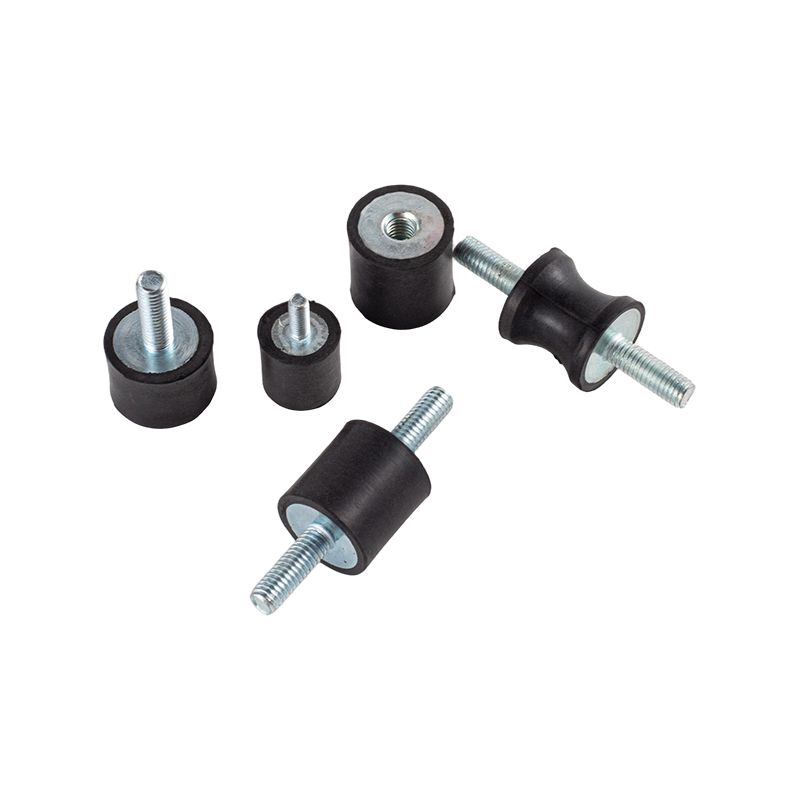

Rubber Anti Vibration Pad
-
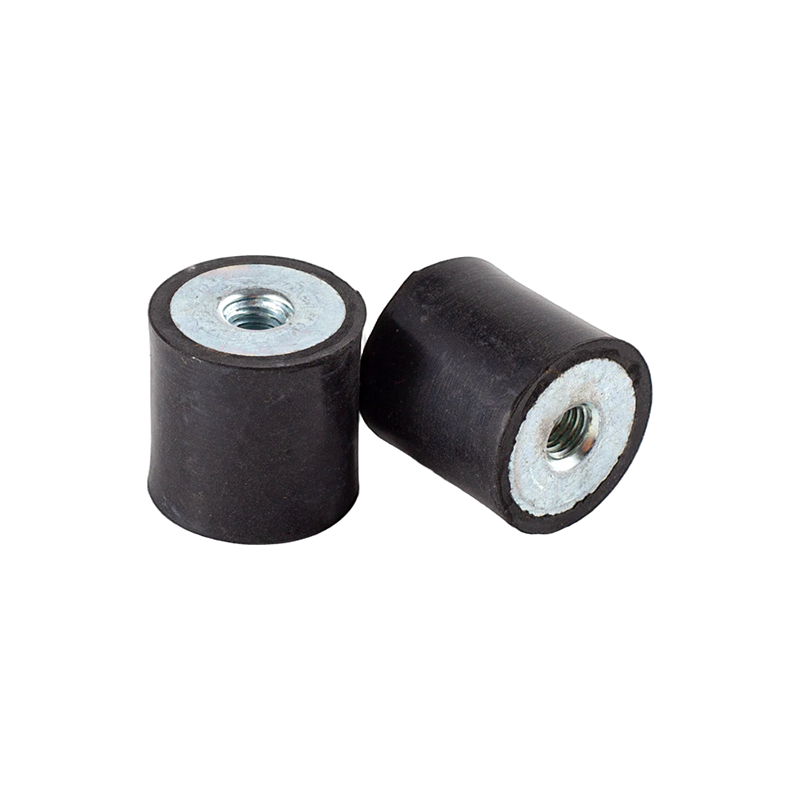
Silicone Anti Vibration Pad
-
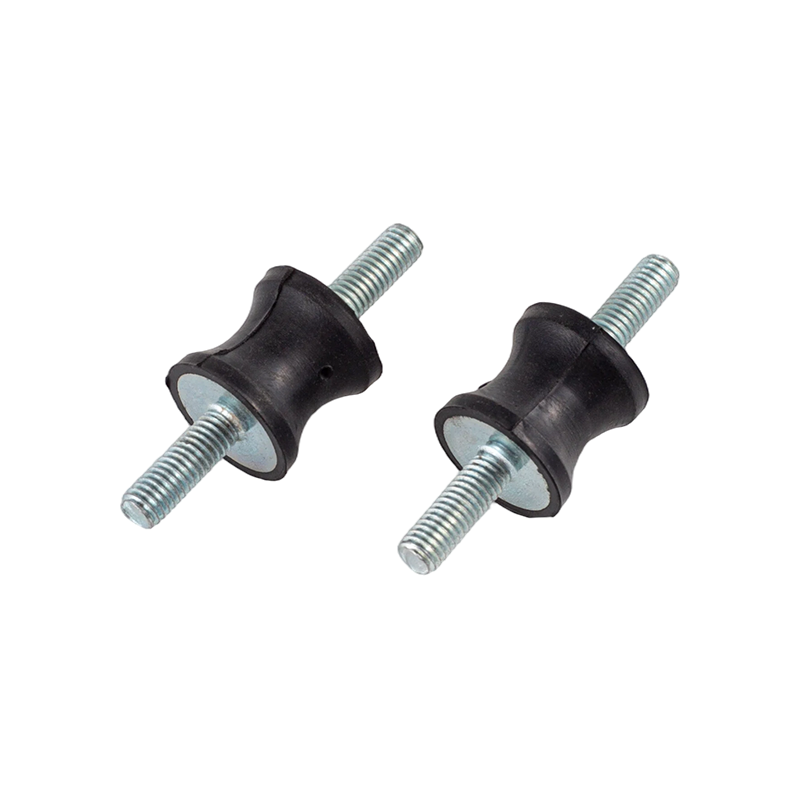
PU Anti Vibration Pad
-
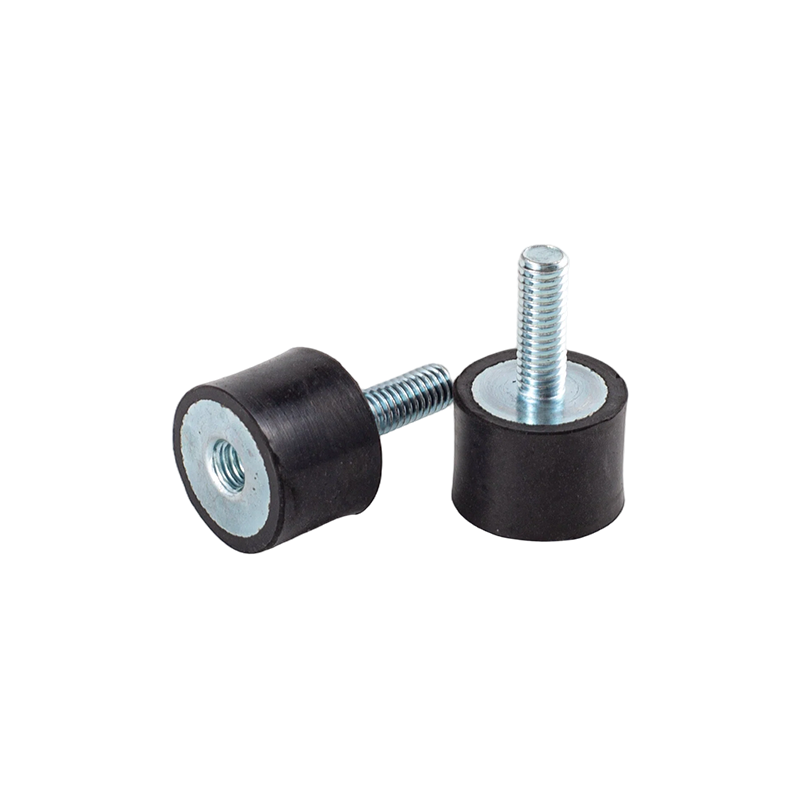
Round Anti Vibration Foot Pad
-
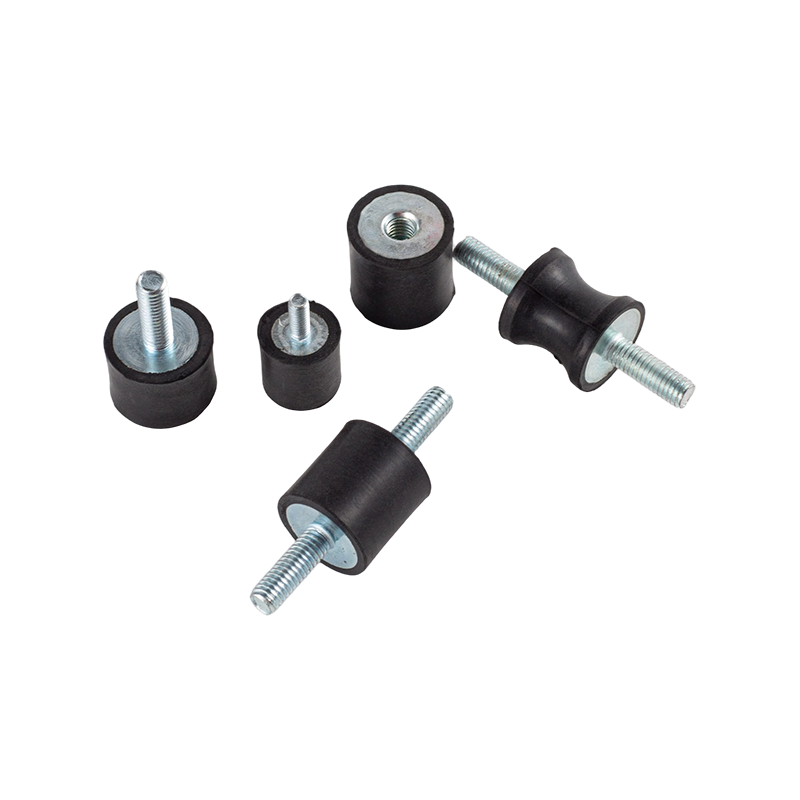
Square Anti Vibration Foot Pad
-
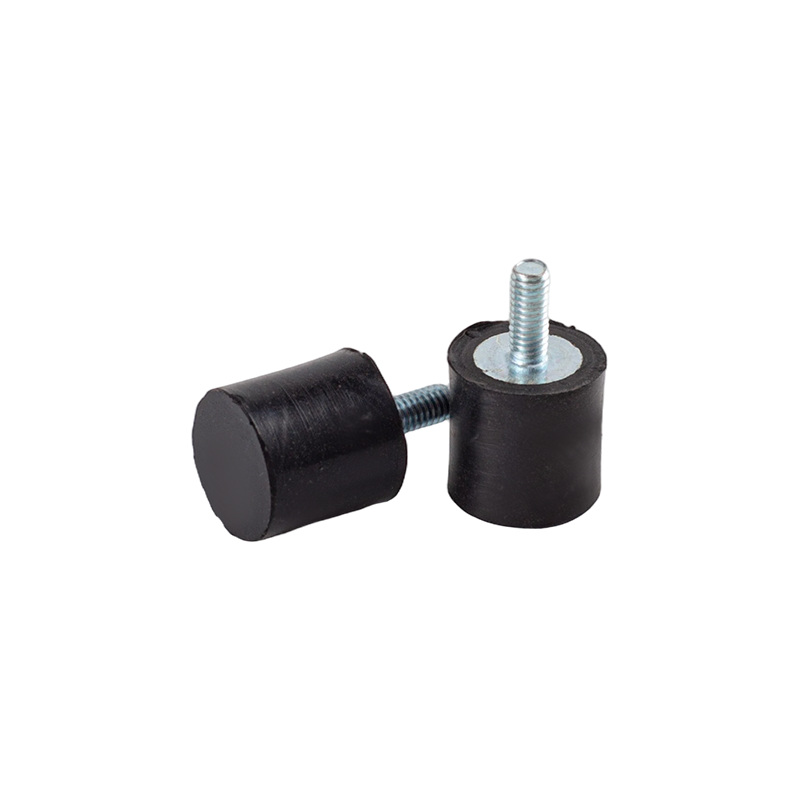
Rubber Buffer Pad
-
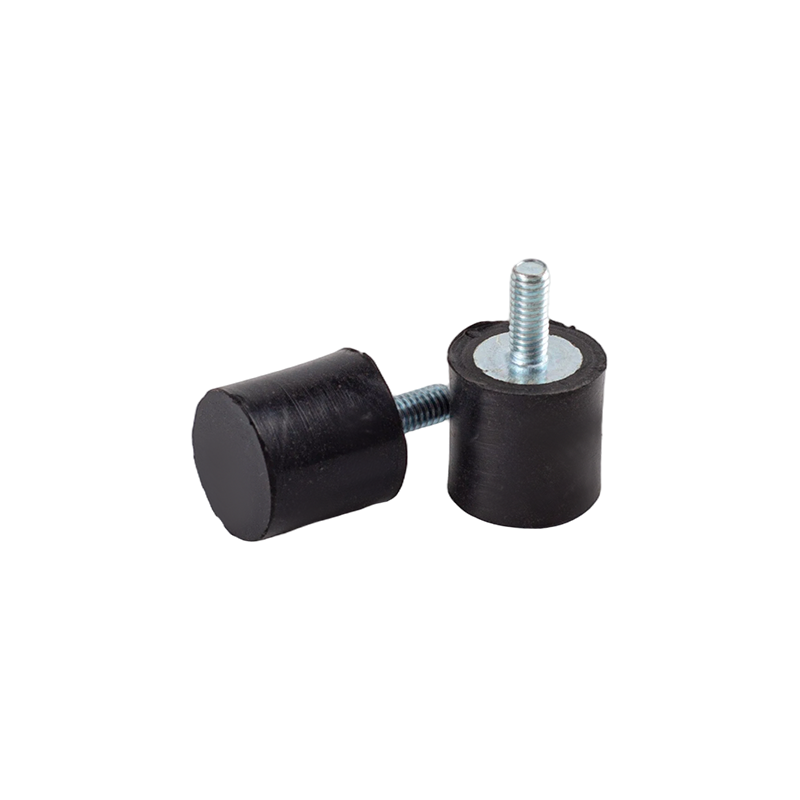
PU Buffer Pad
Anti-vibration components are mechanical parts designed for equipment vibration isolation, buffering, and reduction of vibration transmission. They mainly absorb vibrations and impacts generated during equipment operation through the elastic deformation of rubber, metal, and composite structural materials. These products are usually installed at the bottom of equipment, connection points, or mechanical support structures to improve equipment operating stability and reduce the impact of vibration on surrounding structures and components.
Anti-vibration components include various product types such as flat anti-vibration pads, conical rubber metal vibration isolators, bonded bushing vibration damping components, and rubber vibration isolators. Suitable vibration control solutions can be selected according to equipment weight, vibration direction, installation method, and operating environment. Flat anti-vibration pads are mainly used for equipment bottom support, cushioning equipment vibration through elastic materials while also providing a certain anti-slip function. Conical rubber metal vibration isolators adopt a rubber and metal composite structure, achieving vibration isolation through compression and shear deformation, and are suitable for mechanically fixed installation applications. Bonded bushing vibration damping components combine an elastic rubber layer with a metal sleeve structure and can be used for buffering and flexible support at mechanical connection points. Rubber vibration isolators are widely applied in vibration isolation installations for equipment such as motors, pumps, and compressors.
Anti-vibration components are commonly manufactured using elastic materials such as natural rubber, NBR nitrile rubber, EPDM ethylene propylene diene monomer rubber, silicone rubber, and PU polyurethane, combined with metal structures including steel and aluminum components. Different materials and structural designs can meet various requirements of equipment in terms of load capacity, environmental resistance, vibration frequency, and installation space.
Anti-vibration components are widely used in industrial machinery, automation equipment, motor equipment, construction machinery, automotive components, power generation equipment, pump systems, and other applications requiring reduced vibration impact. By selecting suitable vibration damping products, vibration transmission during equipment operation can be reduced, installation stability can be improved, and mechanical impact during long-term operation can be minimized.
We provide both standard anti-vibration components and non-standard customization services. Products can be matched according to customer equipment structures, installation dimensions, load requirements, and operating environments. Customized options are available for different rubber materials, hardness grades, metal structures, and dimensional specifications to meet the vibration isolation and buffering requirements of various industrial equipment. During the selection process, it is recommended to provide parameters such as equipment weight, vibration conditions, installation method, and operating environment, so that a suitable anti-vibration solution can be selected.
Company

Taizhou Hexie Rubber Co., Ltd.
Taizhou Hexie Rubber Co., Ltd. specializes in the R&D and manufacturing of industrial sealing products, anti‑vibration components and custom silicone rubber products, offering both standard parts and non‑standard customization services. Our product portfolio includes various rubber seals, metal sealing rings, oil seals, hydraulic & pneumatic seals, high‑performance specialty seals, rubber vibration dampers, molded and extruded silicone goods. Materials such as NBR, FKM, EPDM, silicone, PTFE and FFKM are available for selection. Serving machinery, automotive, automation, food‑medical, new‑energy and other industries, we deliver reliable solutions for diverse complex working conditions with professional product selection and custom processing capabilities.
Latest News

Contact
-
 3839567060@qq.com
-
 +86 138 6769 2238
-
 No. 80, Zhangzi Road, Zhang'an Street, Jiaojiang District, Taizhou City, Zhejiang Province, China (8 rooms on the first floor)
QR Code
Copyright © Taizhou Hexie Rubber Co., Ltd. All Rights Reserved
